
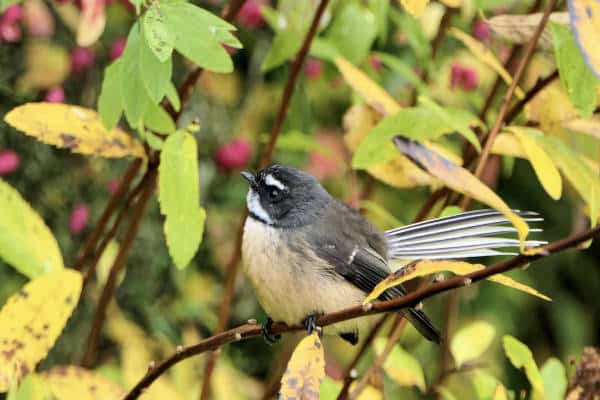

The New Zealand Garden Bird Survey has begun, and people across the country are being invited to take part by spotting birds in their backyards or local parks. The survey runs until Saturday, July 6, and helps scientists understand how bird populations are changing over time.
This is the 19th year of the survey, known in Māori as Te Tatauranga o ngā Manu Māra o Aotearoa. To join, participants simply choose one day, spend one hour watching and listening for birds, and record the highest number of each bird species they see or hear at one time.
Dr. Angela Brandt from Manaaki Whenua Landcare Research said the survey gives important information about bird trends. Last year, birds like the tūī and pīwakawaka increased in number, while the silvereye showed fewer signs of decline.
However, some birds such as the kererū, goldfinch, and house sparrow have shown small drops in their numbers over the last five years. Dr. Brandt said it’s not yet a big concern, but it’s something to watch closely.
The survey also helps scientists learn about birdlife in cities and countryside areas. These are places where regular research might not happen. It covers both common and rare species.
Different birds are doing well in different regions. For example, bellbirds are growing in numbers in Canterbury and Nelson, but not doing as well in parts of the North Island, like Gisborne, Hawke’s Bay, and Manawatū.
Taking part in the survey isn’t just about science, it’s also good for people. Many participants say it makes them feel happy, calm, and more connected to nature.

 SMART Prep | Quick Question