
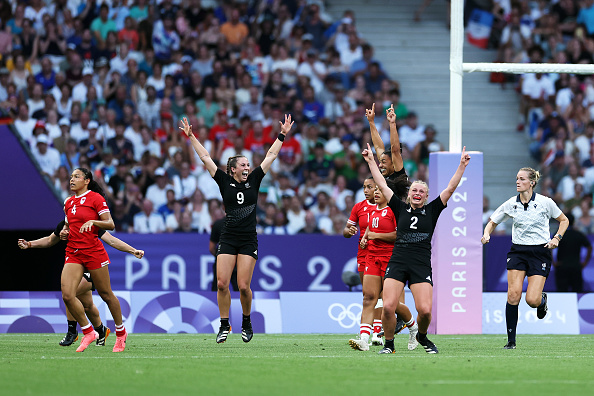
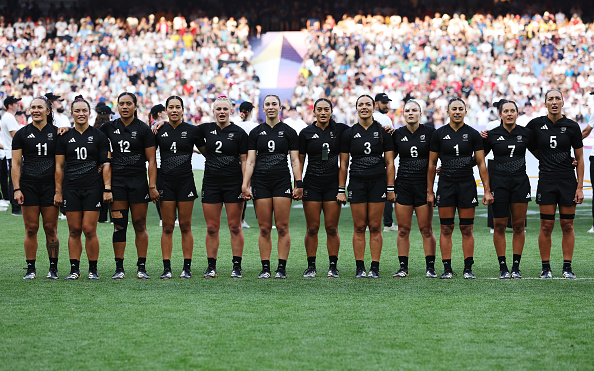
The New Zealand women’s rugby sevens team won a gold medal at the Stade de France today.
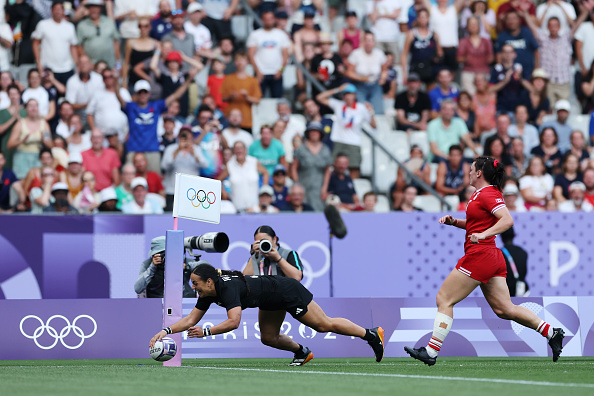
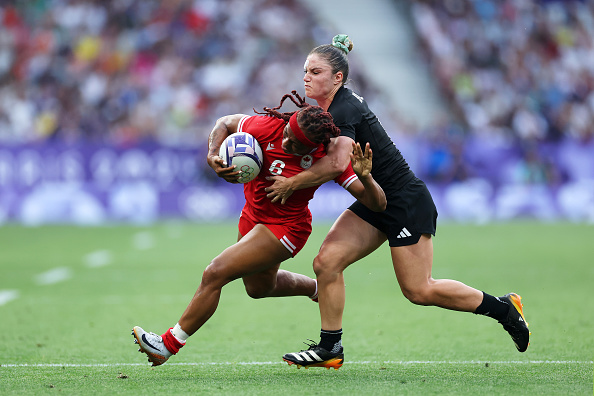
They beat Canada 19-12 in a challenging final, marking New Zealand’s first gold and first medal of the Paris Olympics.
New Zealand has a strong history in Olympic rugby sevens, winning silver in Rio de Janeiro and gold in Tokyo. Now, they have secured another gold in Paris. This victory also marked the end of several players’ international careers, making it a memorable farewell.
Canada, who improved significantly this year, reached the final by defeating Australia in the semi-finals. In the final, they overcame an early 7-0 deficit, thanks to a try and conversion by Risi Pouri-Lane. They led 12-7 at halftime after taking advantage of a yellow card given to New Zealand’s Portia Woodman-Wickliffe.
However, New Zealand regained control early in the second half when Michaela Blyde scored, putting them ahead 14-12. Stacey Waaka extended the lead to 19-12 after a breakaway by Sarah Hirini.
Despite Canada’s efforts, New Zealand’s defense held strong, securing the gold medal.
Waaka expressed her joy after the match, saying, “It was hard out there, but we got there. I couldn’t be happier. I’m so proud of the team.”
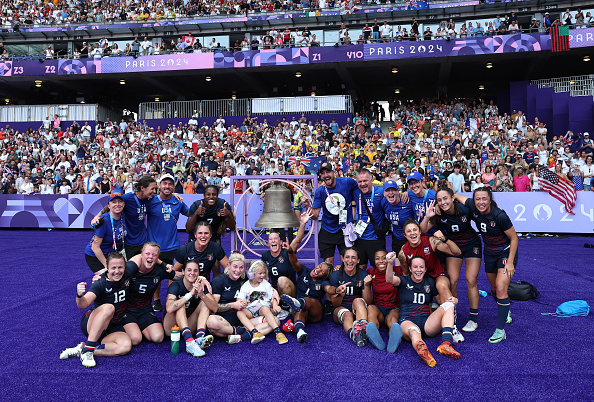
Earlier in the day, New Zealand beat the United States 24-12 in the semi-final, overcoming an early setback to win comfortably. Waaka scored two tries, and Blyde added two more. The United States later claimed the bronze medal by defeating Australia.
NEW ZEALAND
Tries: Risi Pouri-Lane, Michaela Blyde, Stacey Waaka
Conversion: Risi Pouri-Lane
CANADA
Tries: Chloe Daniels, Alysha Corrigan
Conversion: Chloe Daniels


 SMART Prep | Quick Question