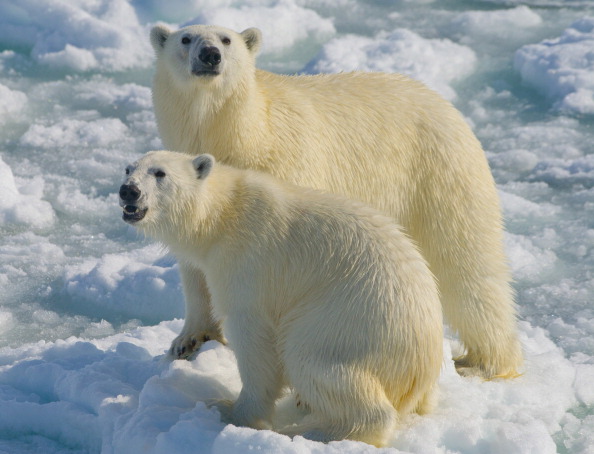

A new AI radar system in Eureka, Canada, has captured a family of polar bears on camera for the first time. The technology, called “bear-dar”, was installed at a weather station in August 2025 to warn staff when animals come too close. It was created by Polar Bears International and the US security firm Spotter Global.
The system uses radar and cameras to spot movement across the icy Arctic. It can detect nearby wildlife, including polar bears, wolves, caribou and musk oxen. The first polar bear footage was captured in May 2027 and showed a mother bear with two cubs moving through the snow.
Scientists believe meetings between people and polar bears may become more common as climate change melts Arctic ice. Polar bears are spending more time on land, where they may come closer to human camps and buildings. Staff used the bear-dar camera to watch where the bears went and gently guide them away from the weather station.
Elbert Bakker, from Polar Bears International, said the bears looked healthy and active. He explained that the system helps staff know when a bear is nearby, so they can respond safely. The aim is to protect both people and polar bears by keeping bears away from human areas and helping them stay in the wild.

 SMART Prep | Quick Question