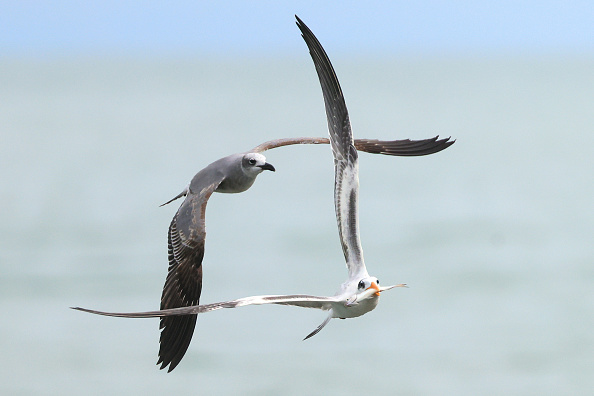

A second sick bird found near Esperance, on Western Australia’s south coast, has tested positive for the deadly H5N1 bird flu. The bird was a northern giant petrel, and it was found on a beach unable to stand. Authorities had already confirmed that a brown skua found nearby at Cape Le Grand National Park also had the virus. Esperance is about 700 kilometres south-east of Perth.
Federal Agriculture Minister Julie Collins said both cases were confirmed after testing by the CSIRO. She said there is no evidence so far of large numbers of wild birds dying from the disease. Australia’s poultry and farming systems are also still free from H5 bird flu. Officials are now checking whether the virus has spread further in wildlife.
The H5N1 strain has affected millions of birds around the world. Australia had been preparing for its arrival through biosecurity planning and emergency training. The government has also provided extra funding to help protect wildlife, public health and farms. In Western Australia, poultry producers are being extra careful, and Ingham’s has locked down its WA operations as a safety step.
Experts say the biggest risk to poultry is contact with infected wild birds. Farmers may need to keep birds indoors if the risk grows, which is called a housing order. Wildlife carers in Esperance have also been trained to handle sick birds safely. Authorities say they will continue watching the coast and working with the poultry industry to reduce the chance of the virus spreading.

 SMART Prep | Quick Question