
‘Bear-dar’ spots Polar Bear family

Share to Google Classroom

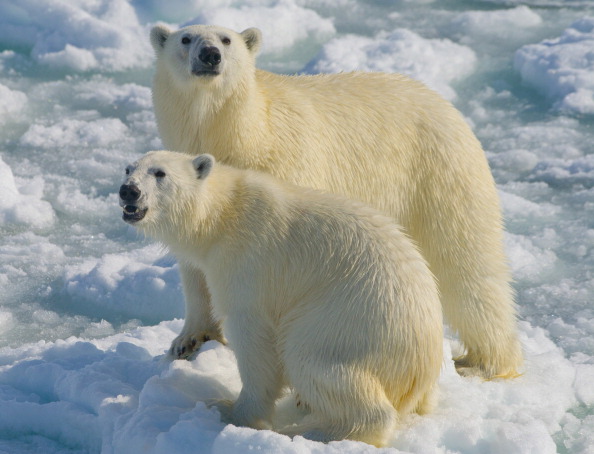
A new AI radar system in Eureka, Canada, has captured a family of polar bears on camera for the first time. The technology, called “bear-dar”, was installed at a weather station in August 2025 to warn staff when animals come too close. It was created by Polar Bears International and the US security firm Spotter Global.

The system uses radar and cameras to spot movement across the icy Arctic. It can detect nearby wildlife, including polar bears, wolves, caribou and musk oxen. The first polar bear footage was captured in May 2027 and showed a mother bear with two cubs moving through the snow.

Scientists believe meetings between people and polar bears may become more common as climate change melts Arctic ice. Polar bears are spending more time on land, where they may come closer to human camps and buildings. Staff used the bear-dar camera to watch where the bears went and gently guide them away from the weather station.

Elbert Bakker, from Polar Bears International, said the bears looked healthy and active. He explained that the system helps staff know when a bear is nearby, so they can respond safely. The aim is to protect both people and polar bears by keeping bears away from human areas and helping them stay in the wild.


How did this story make you feel?

SMART Prep | Quick Question 211160

Every Wednesday, students at Kauri School meet for the after-school library club. Some members read quietly, while others help organise books, design displays, or recommend stories to younger students. The club has become popular because it gives students a place to relax, learn, and share ideas with one another. The librarian says the club is valuable not only because it keeps books tidy, but because it encourages reading and teamwork. New members are often surprised by how busy the room becomes, yet they soon realise that the club is about much more than books on shelves.

Which statement best summarises the main idea of the passage?


Did You Know?

What special technology helped spot a polar bear family in Canada?
The technology called 'bear-dar' uses radar and cameras to spot polar bears!

Vocabulary

Click on the words in the article. See if you can find them all.
  • radar A system that uses radio waves to detect objects. Radar helps find planes in the sky.
  • wildlife Animals that live in the wild, not domesticated. The forest is home to many types of wildlife.
  • climate change Long-term changes in temperature and weather patterns. Climate change can cause ice to melt in the Arctic.
  • Thinking Question

    How do you think technology can help protect wildlife in other places?

    Related Articles