
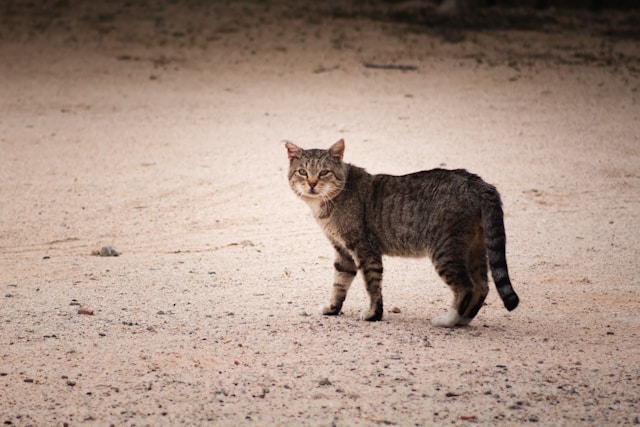

New Zealand has announced plans to remove all feral cats by the year 2050 as part of its Predator-Free 2050 programme.
This decision was shared by Conservation Minister Tama Potaka, who said the wild cats are a serious danger to the country’s native wildlife. Feral cats have now officially joined the list of unwanted predators, which already includes rats, stoats, and possums.
Over 2.5 million feral cats are believed to live across New Zealand’s wild areas and offshore islands. Some of these cats grow up to a metre long, including their tails. They hunt rare birds like the southern dotterel and have even killed native bats. Experts say this has pushed some species close to extinction.
Although some areas already trap and kill feral cats, being on the official Predator-Free list means a much bigger effort will now take place. Large-scale programmes will be introduced, and more details about the plan will be shared in March 2026.
Many people support the idea. A government survey showed that 90% of the public wanted more action to control feral cats. However, not everyone agrees. Animal rights groups are worried about the way these cats are being killed. The SPCA wants more research into humane methods and hopes the government will bring in laws to help manage pet cats too.
Domestic cats are not part of the eradication plan, but some groups want stricter rules. Ideas include making sure all pet cats are microchipped and can’t have kittens unless desexed. One group even promotes the slogan “Every cat in a lap” to encourage people to keep their cats indoors.
The decision to add feral cats to the list comes after years of debate. Conservationists say it’s an important step for protecting New Zealand’s unique animals and environment.

 SMART Prep | Quick Question