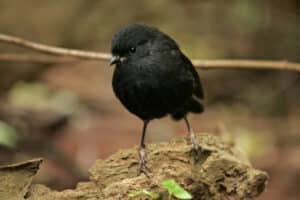
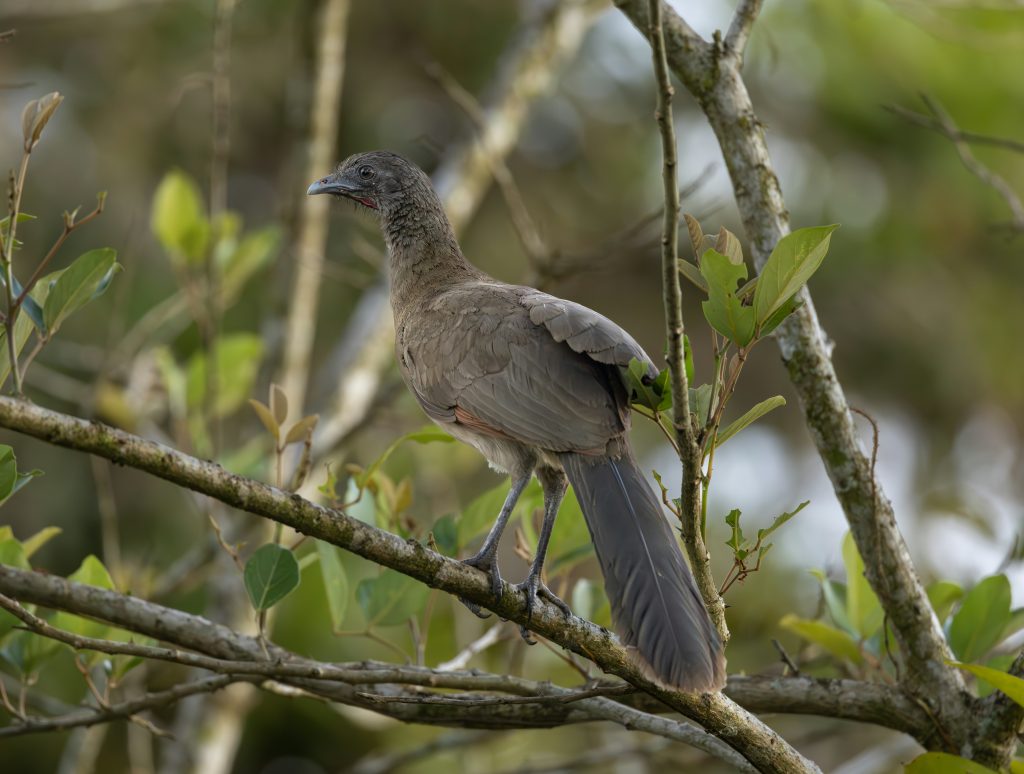

Kōkako have reached record numbers in the Hūnua Ranges, near Auckland, after a baby boom in the forest. Auckland Council’s latest kōkako census found 418 breeding pairs across the ranges, which is a 61 percent increase since the last count in 2022.
Principal ranger Miranda Bennett said a strong kōkako population is a very good sign that the forest is healthy. She explained that when kōkako are doing well, many other native birds, insects and wildlife are likely to be doing well too.
Rangers were especially pleased to see many young birds in the area. Bennett said this showed that kōkako had bred successfully over several seasons and that young birds were surviving long enough to become part of the breeding population. A fledgling kōkako usually takes about two years to find its own territory and begin breeding.
The comeback is especially important because kōkako numbers in the Hūnua Ranges once fell very low. Researchers believe about 500 kōkako lived there in the 1950s, but by 1994 only 25 birds remained. Auckland councillor Richard Hills said the latest record numbers were a reason to celebrate the work of mana whenua, volunteers, rangers, council staff and contractors.

 SMART Prep | Quick Question