
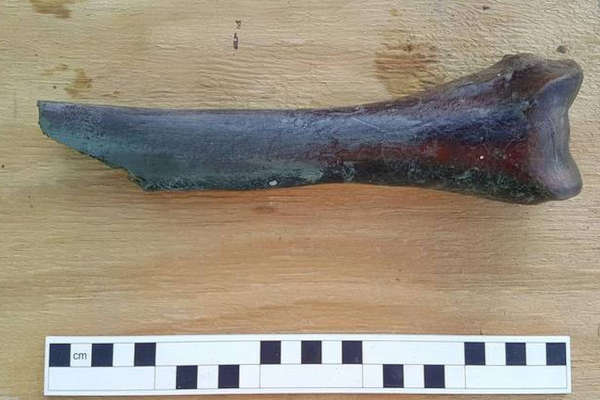

Scientists from the University of Oslo and Bournemouth University have discovered ancient animal bones in a cave called Arne Qvamgrotta, located on the northern coast of Norway.
The bones are around 75,000 years old and come from a warmer time during the Ice Age. This important find gives new clues about how animals lived in the European Arctic long ago.
Researchers have uncovered bones from 46 different types of animals, including polar bears, walruses, Atlantic puffins, and reindeer. The discovery is the oldest known example of an animal community in Europe during that time.
The cave was first found in the 1990s, but it wasn’t until digs in 2021 and 2022 that scientists began to find these rare remains. Some of the bones belong to animals like the collared lemming, which is now extinct in Europe and had never been found in Scandinavia before.
The fossils suggest that the coast was once ice-free, with rivers, lakes, and just enough sea ice for animals like walruses and whales. This shows that Arctic animals lived in both land and sea environments during that period.
Scientists tested the DNA of the bones and learned that these animals couldn’t survive when the Ice Age grew colder again. Because they couldn’t move to new areas, many of their lineages eventually disappeared.

 SMART Prep | Quick Question