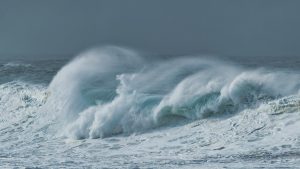
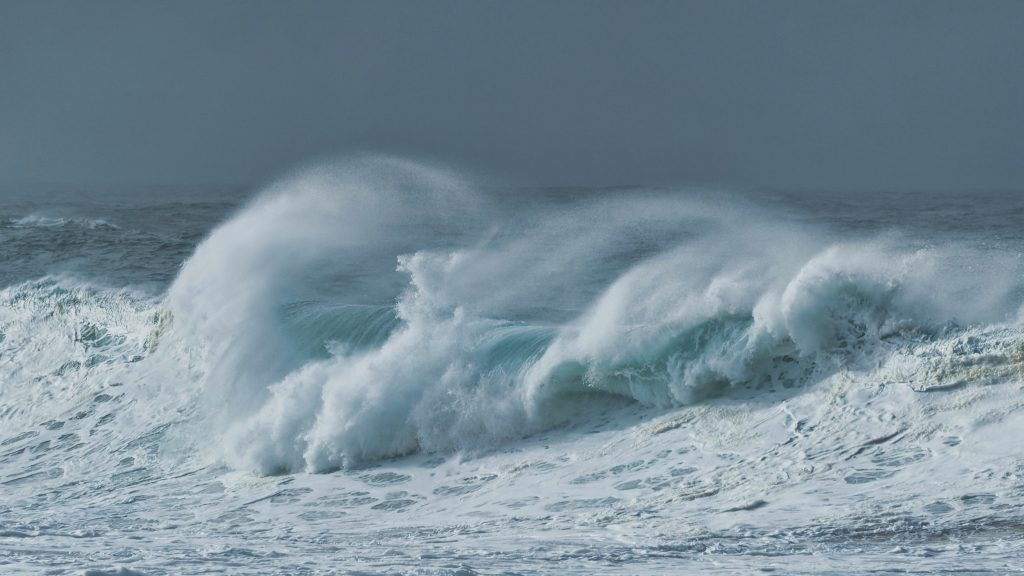

A powerful storm called Super Typhoon In-fa swept over the remote northern Mariana Islands in the Pacific Ocean on Friday 30 October, bringing heavy rain and damaging winds.
In-fa passed directly over Agrihan, a small volcanic island far north of Guam, as a very strong storm — about as powerful as a Category 4 hurricane. It is the fifth major typhoon to affect the Mariana Islands so far this year, after an earlier storm called Typhoon Champi caused damage on Guam just a couple of weeks before.
Weather forecasters warned the storm could bring flooding rain and strong winds to the islands through to Saturday. Luckily, In-fa’s path is now expected to curve away to the north and then northeast, taking it out into the open ocean rather than threatening any large, heavily populated areas.
Typhoons, also known as hurricanes or cyclones in other parts of the world, are giant spinning storms that form over warm ocean water. The Pacific typhoon season tends to bring several of these storms to the region each year.
Communities across the Pacific are used to preparing for these storms, and emergency teams continue to monitor the weather closely as the season goes on, so island communities can stay safe.
Māori Version
He Āwhā Nui ka Rere mā Runga i ngā Moutere o te Pāsifika
I rere tētahi āwhā nui, ko In-fa tōna ingoa, mā runga i ngā moutere tawhiti o Mariana i te Moana-nui-a-Kiwa i te Rāmere 30 o Oketopa, me te mauranga mai o te ua nui me ngā hau whakakino.
I rere a In-fa i runga tonu i a Agrihan, he moutere puia iti e tawhiti ana i te raki o Guam, hei āwhā tino kaha — tata ki te kaha o te huripari Momo 4. Koia te āwhā nui tuarima e pā ana ki ngā Moutere o Mariana i tēnei tau, i muri tata mai i tētahi āwhā o mua, ko Champi tōna ingoa, nāna i takakino a Guam i te rua wiki ki muri.
I whakatūpato ngā tohunga huarere tērā pea ka mauria mai e te āwhā te waipuke me ngā hau kaha ki ngā moutere, tae noa ki te Rāhoroi. Waihoki, e tūmanakohia ana ka pīko haere te huarahi o In-fa ki te raki, kātahi ki te raki-mā-rāwhiti, kia neke atu ia ki te moana whānui, kaua ki ētahi rohe nui, kī ana i te tangata.
He āwhā nui ngā taifura, e mōhiotia ana hoki ko te hurikeni, ko te hau āwhā rānei i ētahi wāhi o te ao, he mea kē e hanga ana i runga i te wai moana mahana. Ko te wā taifura o te Pāsifika, he tini ngā āwhā pēnei ka tae mai ki te rohe i ia tau.
Kei te waia ngā hapori o te Pāsifika ki te takatū mō ēnei āwhā, ā, ka mātakitaki tonu ngā rōpū ohotata i te huarere, kia noho haumaru ai ngā hapori o ngā moutere.

 SMART Prep | Quick Question