
Two long-running Māori news programmes, Te Karere and The Hui, are facing an uncertain future after changes to how Māori media funding is being distributed.
The Government’s Māori media agency, Te Māngai Pāho, is restructuring its funding system after its budget was reduced from previous years.
For the past three years, Te Māngai Pāho received extra funding of about $16 million each year. However, this year the Government decided not to continue the boost, returning the agency’s funding to its original level of $50 million. Māori Development Minister Tama Potaka said the Government wanted to stay within that limit while exploring ways to partner with iwi and other Māori organisations in broadcasting.
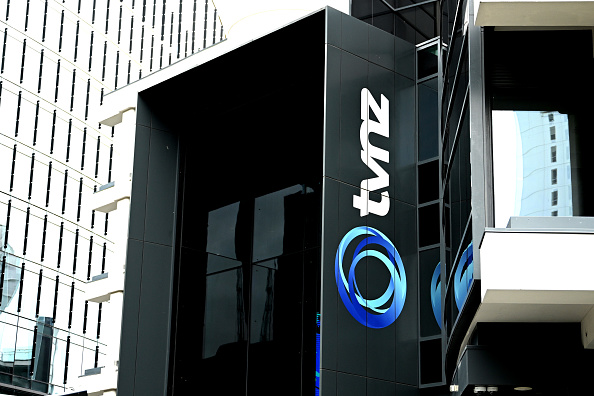
Te Karere, which has aired on TVNZ for over 40 years, received $2.7 million from Te Māngai Pāho this year, with TVNZ adding nearly $900,000 of its own money. However, its funding application for next year has so far been unsuccessful, and TVNZ is now reapplying.
Another Māori news show, The Hui, has also had its latest funding bid rejected. Executive producer Rewa Harriman said the show was feeling uncertain during its 10th season, explaining that funding cuts were affecting many in the Māori media sector. The programme, which tells stories from Māori communities, received around $1.8 million in total funding this year for 40 episodes.
Harriman said the team hoped to find another way to keep The Hui on air. “We’ve been telling our people’s stories for 10 years now,” she said. “We just want to continue celebrating their successes and sharing their challenges.”
Some politicians have raised concerns about the impact of the cuts. Labour MP Peeni Henare questioned why such an important Māori-language show like Te Karere might lose funding, while Green MP Hūhana Lyndon said she was worried for legacy programmes such as Te Karere, Marae, and The Hui.

 SMART Prep | Quick Question