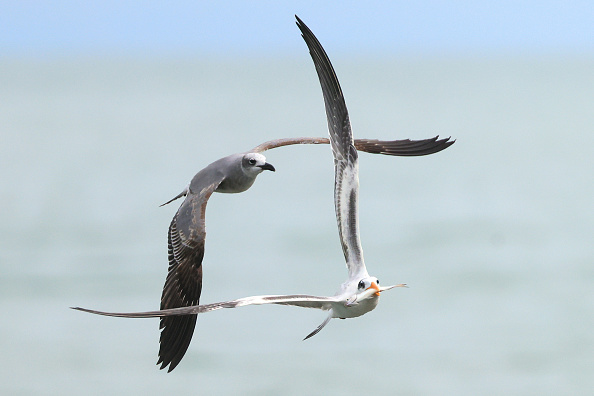

New Zealand recorded its first ever case of H5 bird flu after an infected seabird was found on Wellington’s Petone Beach earlier this month.
Biosecurity Minister Andrew Hoggard confirmed a member of the public discovered the sick brown skua on 10 July, and the bird tested positive for the virus three days later at Wellington Zoo.
Hoggard reassured the public that the virus posed a very low risk to human health, as it rarely spread to people unless they had close, prolonged contact with large numbers of infected birds. He said there was no evidence of the virus spreading to other wild birds or poultry in New Zealand, and confirmed that eggs and chicken remained completely safe to eat.
The minister explained that New Zealand had been preparing for the virus to arrive for some time, and had been able to learn from how other countries managed outbreaks before it reached local shores.
The Ministry for Primary Industries continued to test birds regularly and asked the public to report any group of three or more sick or dead birds, while reminding everyone never to touch or handle unwell wildlife. The Egg Producers Federation of New Zealand also reassured shoppers that poultry and eggs remained safe when cooked properly.

 SMART Prep | Quick Question