
A venomous spider called the noble false widow has been found in New Zealand. It was first seen in Porirua last year and is now in Christchurch, Nelson, Waikato, and Northland. Scientists say it is very active in cities, especially around gardens and outdoor furniture.
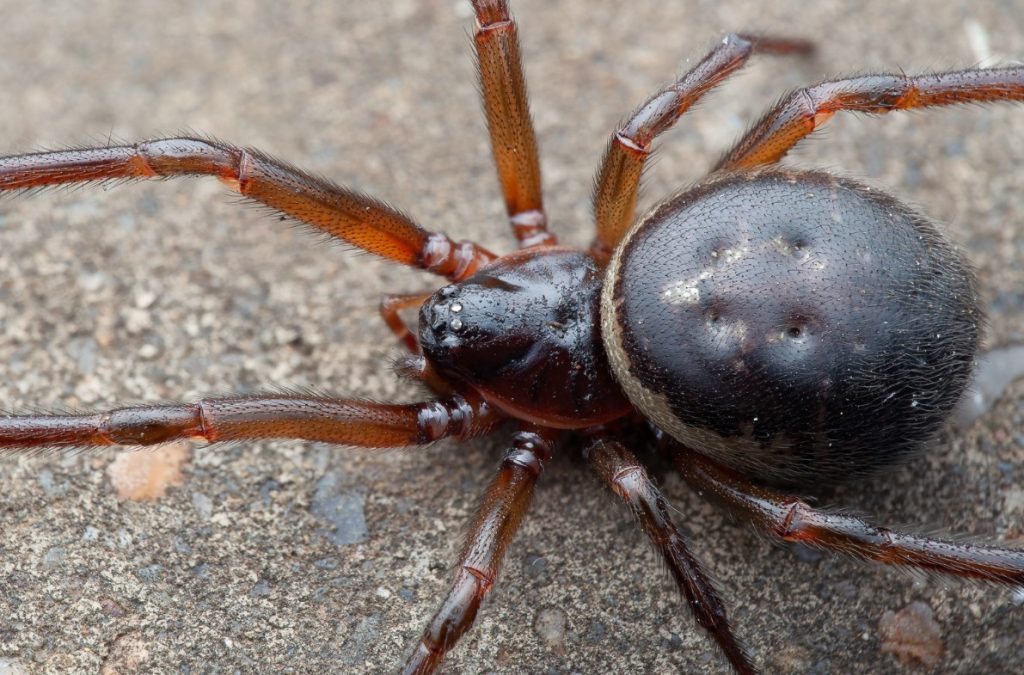
The noble false widow (Steatoda nobilis) comes from the Canary Islands and Madeira. It is now common in the UK and Europe. This spider looks like the black widow because of its shiny, dark body. It builds messy webs in corners and window frames and has a quiet but sneaky character.
The spider can grow to be 7 to 14 millimeters long. Female spiders are bigger than males. At night, male spiders can be seen moving around on walls or the ground, showing lots of activity.
This spider is not aggressive, but it might bite to protect itself. A bite can cause swelling, redness, and pain. In some cases, people may feel sick or get infections that do not heal easily. These infections can be hard to treat if the bacteria react badly to medicine. This makes them less effective.
Experts are worried because the spider’s bite can cause health problems. Its venom is like the venom in black widow spiders and can have a strong impact.
Scientists want people to help. You can take action by sharing photos of the spider on the iNaturalist NZ website. This helps them see where the spider has been and how it might attract other bugs or animals.

 SMART Prep | Quick Question