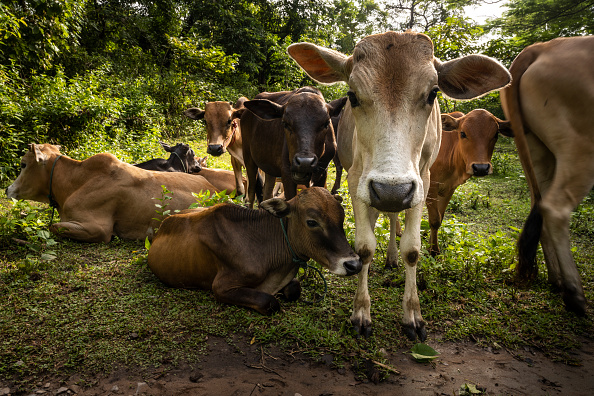

Starting in 2030, Denmark will become the first country to tax farmers for their animals’ burps and farts.
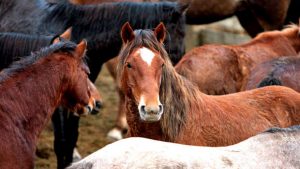
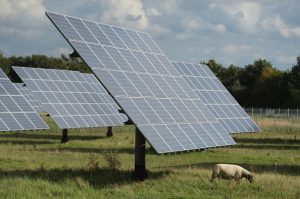
These emissions, especially from cows, pigs, and sheep, release methane—a gas that contributes to global warming. Farmers will pay around $60 for every tonne of methane their animals produce under this new “flatulence tax.”
This decision, part of the Green Tripartite Agreement, was made after long discussions between politicians, farmers, unions, and environmental groups. Denmark hopes the tax will help reduce pollution from farming, which is a major source of the country’s greenhouse gas emissions.
About 60% of Denmark’s land is used for farming, and the agricultural industry has not lowered its emissions in over a decade. The new plan aims to cut Denmark’s CO2 emissions by 2.35 million tonnes by 2032.
To further protect the environment, Denmark plans to replace some farmland with over 250,000 hectares of forest. This change is expected to improve biodiversity, clean the waterways, and provide better drinking water. Minister Jeppe Bruus, who is leading the project, said the country is determined to meet its climate goals.
With these efforts, Denmark hopes to set an example for fighting climate change while protecting nature.

 SMART Prep | Quick Question