
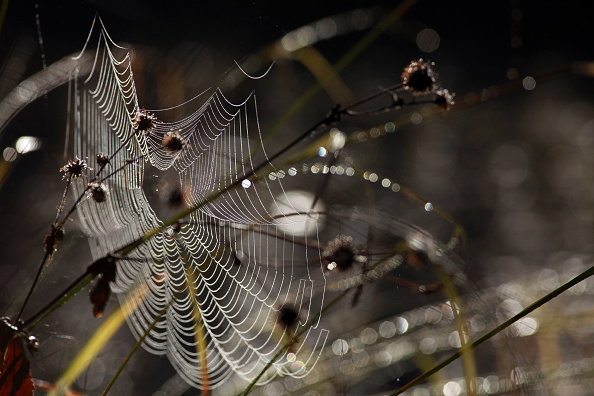

In the United States, researchers have discovered that some spiders are using their webs to block out noisy sounds from the world around them.
The study was done at the University of Nebraska-Lincoln and looked at how spiders respond to man-made noise, such as traffic or construction.
The scientists studied 60 Pennsylvania funnel-web spiders, some from the city and some from the countryside. They placed these spiders in both quiet and noisy environments to see how their webs reacted to sound.
What they found was surprising: spiders that lived in loud urban areas made webs that helped reduce vibrations. This means they could still hear the important sounds—like prey moving—while tuning out the noise pollution. On the other hand, spiders from quieter places made webs that made all sounds louder, kind of like turning up the volume on a TV.
Researchers believe that a spider’s past—such as the noise it’s used to or even what its mother experienced—might affect how it builds its web.
One of the study’s authors, Brandi Pessman, explained that spiders might pass down these skills from one generation to the next.
This discovery shows that spiders, like many animals, are changing their behaviour because of the noisy world humans have created. A separate study from Queen’s University in Belfast found that loud human-made noises can also affect birds, even changing the way they sing.

 SMART Prep | Quick Question