
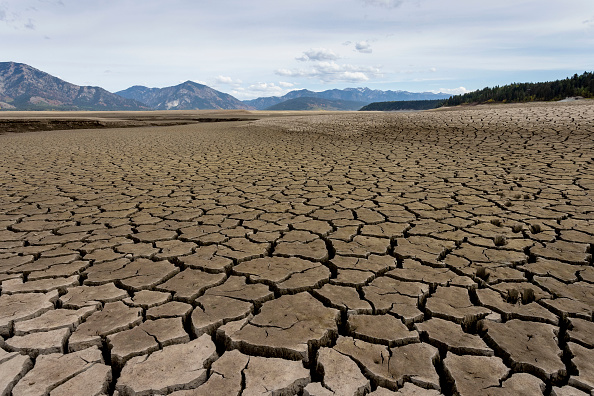

Countries across Central and Eastern Europe are facing energy challenges after the Danube River reached record low water levels. A long period of drought and extreme heat has reduced the river’s flow, affecting power plants that depend on the water supply.
The Danube, one of Europe’s largest rivers, has fallen to unusually low levels in several areas. In Budapest, Hungary, the river dropped to around 10 centimetres, much lower than the previous record low of 33 centimetres recorded in 2018.
The low water levels have affected Hungary’s Paks nuclear power plant, which uses water from the Danube to help cool its reactors. The plant has produced much less electricity than usual, raising concerns about the country’s energy supply.
Other countries have also been affected. Romania has reduced production at one of its nuclear plants, while Serbia’s main hydroelectric power plant is working at only a small part of its normal capacity.
Governments have asked people and businesses to reduce their electricity use, especially during busy evening hours. Officials say the situation shows how droughts and extreme weather can affect important services that communities rely on every day.

 SMART Prep | Quick Question