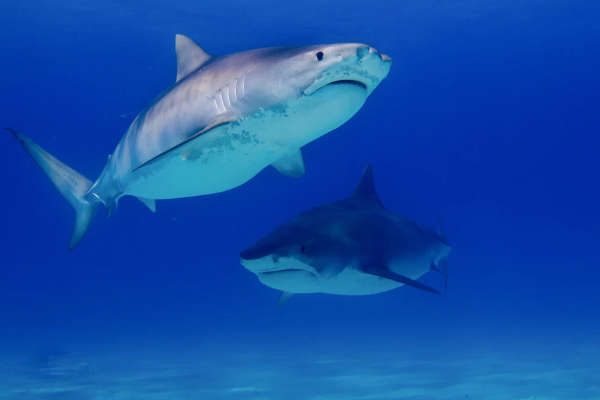

A set of five huge shark backbones found near Darwin, Australia, has been identified as part of a brand-new species of ancient giant shark. The fossils were dug up in the early 1990s and were first thought to belong to a great white shark, then stored in a museum and largely forgotten. In late 2024, a research team led by Dr Mohamad Bazzi re-examined the bones to learn more about when sharks first became truly enormous.
When the scientists measured the vertebrae, each one was more than 12 centimetres wide. That is much bigger than a great white shark’s vertebrae, which are usually about 8 centimetres across. The team then studied the bones’ shape and inner pattern, like checking the “fingerprints” of the fossil. These clues matched an extinct family of sharks called Cardabiodontidae, which were relatives of today’s great whites.
However, the bones did not exactly match any known species in that group. That difference led the researchers to conclude they had discovered a new species of giant shark. By looking at the rock layer where the fossils were found, the team estimated the shark’s age at around 115 million years. They also estimated it could have grown up to 8 metres long and weighed more than 3,000 kilograms.
This finding shocked scientists because earlier research suggested sharks only reached such giant sizes about 100 million years ago. The new fossils push that timeline back by about 15 million years. That means the story of how giant sharks evolved may need to be rewritten.

 SMART Prep | Quick Question