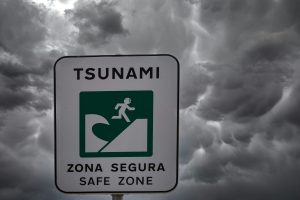
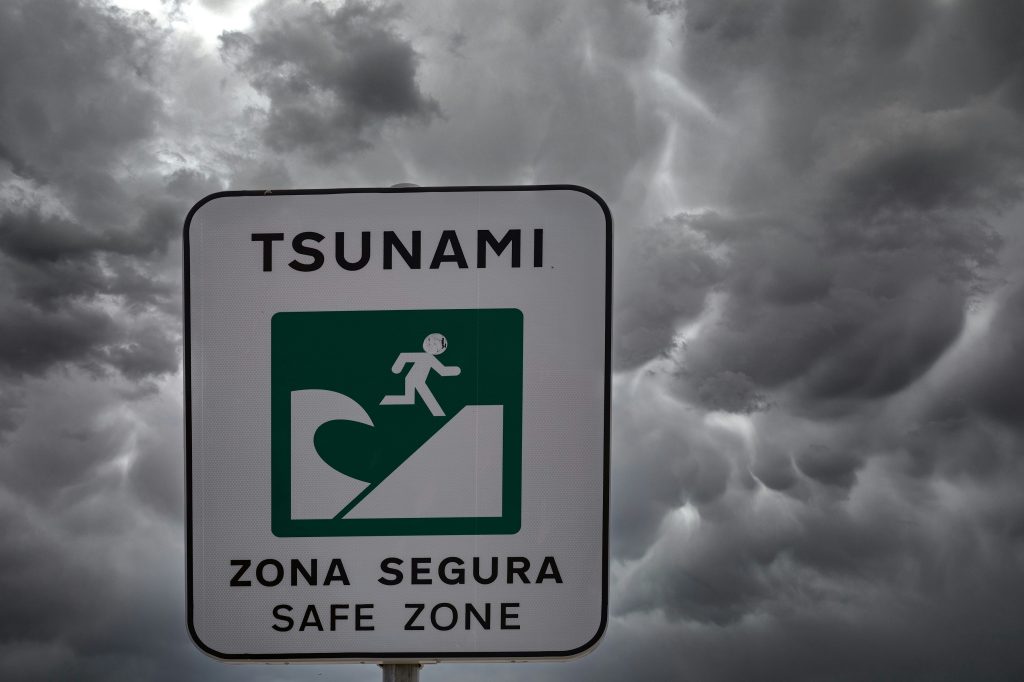

New Zealand’s Civil Defence teams spent Wednesday responding to a tsunami alert — but there was no need to worry, because it wasn’t real.
The alert, which went out at 4am, was part of Exercise Pacific Wave, a nationwide practice drill. It’s designed to test how emergency teams around the country communicate and make decisions if a real tsunami ever threatened New Zealand.
Councils across the country took part, including in Rangitīkei, where staff tested how quickly and clearly they could share information with their community using fake, or “scenario,” details.
Any updates shared during the day were clearly labelled “EXERCISE PACWAVE – EXERCISE ONLY – NOT A REAL EMERGENCY,” so nobody would mistake the drill for an actual warning.
The idea behind the exercise is to find out what’s working well, and what could be improved, in a realistic situation — without the pressure of a genuine emergency.
New Zealand sits close to several active fault lines and has had real tsunami warnings before, so practising for emergencies like this helps keep communities ready and safe. Exercises like this happen every so often, giving council staff and emergency services a chance to practise responding without any real danger.
If you ever do hear a real tsunami warning, the advice is simple: listen to official Civil Defence instructions straight away.

 SMART Prep | Quick Question