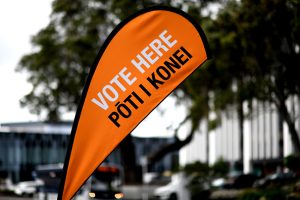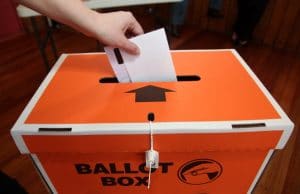
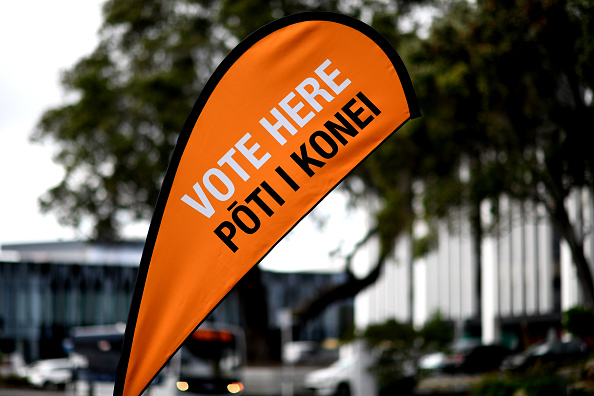

New Zealanders will choose their next government on Saturday 7 November 2026, and more than a million people have already voted early.
How does voting work?
To vote, you need to be 18 or older, and a New Zealand citizen or permanent resident who has lived here for at least 12 months at some point.
New Zealand uses a system called MMP, which means every voter gets two votes. The party vote is for the political party you’d most like to see in charge, and it decides how many of Parliament’s 120 seats each party gets.
The electorate vote is for the person you want to represent your local area, called an electorate. There are 71 electorates this year, including seven Māori electorates.
Usually no single party wins more than half the seats, so two or more parties work together to form a government.
What do the parties stand for?
Here’s a quick look at what the six largest parties in Parliament have been campaigning on.
- National, led by Prime Minister Christopher Luxon, is focusing on growing the economy, tougher consequences for crime, and a promise of no new taxes.
- Labour, led by Chris Hipkins, is focusing on the cost of living, jobs, healthcare and housing, and wants a capital gains tax – a tax on profits made from selling property such as houses.
- The Green Party wants much bigger cuts to climate pollution, more public housing, and a wealth tax on people with a lot of money.
- ACT has promised no new taxes and wants to scrap the Zero Carbon Act, a law that sets New Zealand’s climate goals, saying climate rules push up costs for families.
- NZ First wants a referendum – a public vote – on the Māori seats in Parliament, and a “Kiwi Kids Grant” of $5000 a year for each of a family’s first three children, for their first three years.
- Te Pāti Māori wants Te Tiriti o Waitangi to play a bigger part in how the country is run, more Māori-led services in areas like health and housing, and stronger protection of te reo Māori.
The current government is a coalition, or team-up, of National, ACT and NZ First. National and ACT have ruled out working with Labour, the Greens or Te Pāti Māori, while Labour has ruled out working with NZ First or ACT.
Early results will come in on election night, but the official results won’t be announced until 27 November.
Your turn to vote!
Why leave all the voting fun to the adults? You might be too young to vote just yet, but you can still have your say in our Kahoot below. Read through what each party stands for, think about what matters most to you, and pick the party that best fits your values. There’s no right or wrong answer, so just choose the one that feels right for you!

 SMART Prep | Quick Question