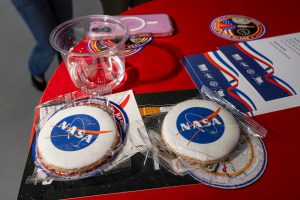
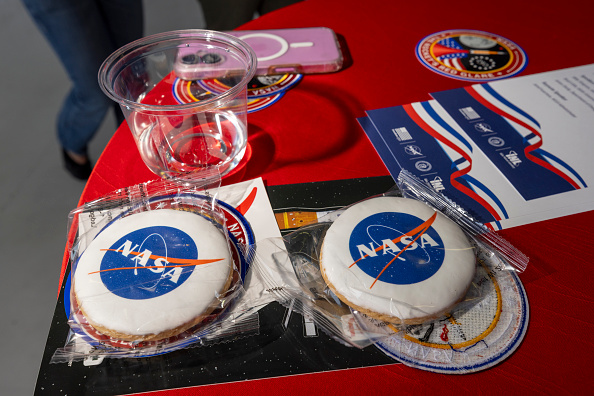

Scientists working on a project funded by the space agency Nasa have found a way to turn plastic and other waste into cookies that could one day feed astronauts.
The technology turns plastics and leftover farm waste into edible proteins, fats and flavourings. These are then put through a 3D printer, which shapes them into a disc, just like a cookie.
The cookies haven’t been approved for people to eat yet, but the scientists behind them say they smell great.
Right now, the cookies are expensive to make, costing $60 for every kilogram, about £44. The team hopes they can bring that price down over time.
Researchers think the cookies could also be useful for people on submarines, and maybe even for everyday use one day. They admitted that the idea of eating food made from plastic might take some getting used to.
The project was funded as part of Nasa’s Deep Space Food Challenge. This competition asks scientists to come up with new kinds of food that could help feed astronauts on very long trips through space.
That’s important because a return trip to Mars could take about three years, and astronauts need food that will stay safe to eat for that long, even in the tough conditions of space.
So while these plastic cookies won’t be turning up in lunchboxes anytime soon, they could one day help astronauts stay fed on their journey to Mars.

 SMART Prep | Quick Question