
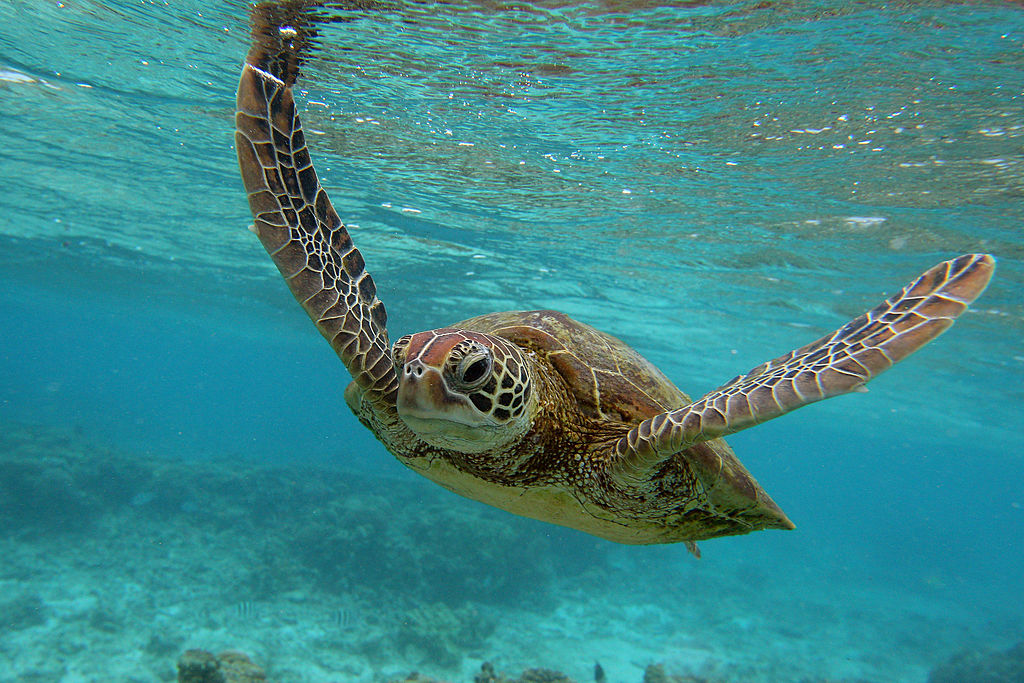
The largest turtles in the world, Leatherback turtles, have returned to nest on a beach in Panama after staying away for almost ten years.
Conservation teams recorded three separate nesting events at El Fondiaderito, a remote beach in Panama’s Darién province near the border with Colombia. It is the first confirmed nest in that part of the Pacific coast since 2017.
Leatherback turtles can grow more than two metres long and weigh over 450 kilograms – about the same as a small car. Unlike other sea turtles, they don’t have a hard shell. Instead, their back is covered in tough, leathery skin.
Sadly, the number of leatherback turtles in the eastern Pacific Ocean has dropped by more than 95 percent since the 1980s, mostly because of fishing nets, plastic pollution and people collecting their eggs. Fewer than 500 adult female leatherbacks are thought to nest in the whole region.
To protect the new nests, conservation workers carefully moved 178 eggs to a safe, protected hatchery. The baby turtles are expected to hatch between September and October 2026.
Panama’s Environment Ministry called the turtles’ return a “historic milestone” for ocean conservation. For scientists working to save the species, every new nest is a small sign of hope for these gentle giants of the sea.


 SMART Prep | Quick Question