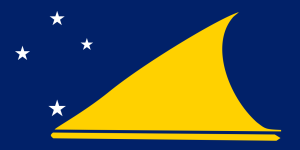

Last week, New Zealand marked Tokelau Language Week, Te Vaiaho o te Gagana Tokelau, which ran from 25 to 31 October.
This year’s celebrations were extra special, marking 100 years since New Zealand took on responsibility for governing Tokelau, back in 1926.
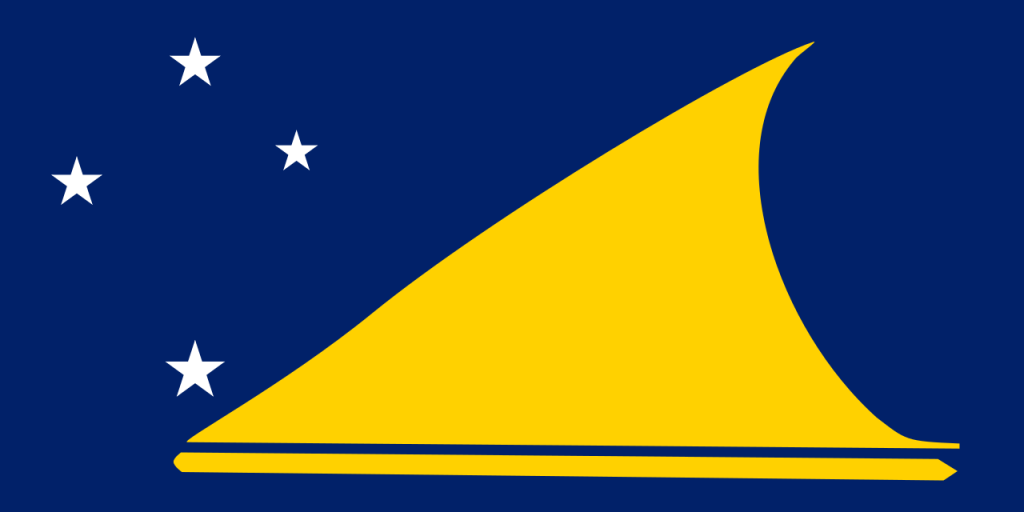
Tokelau is a small nation made up of three atolls — Atafu, Nukunonu and Fakaofo — in the Pacific Ocean. Around 80 percent of Tokelauans live outside the islands, and most of them call Aotearoa New Zealand home. In fact, there are just under 10,000 people here with heritage links to Tokelau.
This year’s Language Week theme was “Ke mauaka taku gagana Tokelau i taku aganuku,” which means “My language is enriched and strengthened by my culture.”
For many Tokelauan New Zealanders, keeping their language and traditions alive is about staying connected to family. Samantha Lafaialii, who works at the University of Auckland, shared memories of her grandmother, known in the family as Ma, whose songs and stories have been passed down through the generations.
“My family will always be my biggest flex,” Lafaialii said, describing gatherings filled with music, big family picnics and shared meals.
She said her Tokelauan heritage traces back to her great-grandmother, Akenese Pereira, who was born on the atoll of Nukunonu.
Language Weeks like this one are held throughout the year in New Zealand, giving Pacific communities a chance to celebrate their languages and share them with the wider country.
Te Reo Māori
He Kotahi Rau Tau o te Hononga, e Whakanuia ana i te Wiki o te Reo Tokelau
I tērā wiki, i whakanuia e Aotearoa te Wiki o te Reo Tokelau, arā, Te Vaiaho o te Gagana Tokelau, i rere mai i te 25 ki te 31 o Oketopa.
He mea motuhake rawa atu nga whakanuinga o tēnei tau, nā te mea kotahi rau tau kē mai i mau ai i a Aotearoa te kawanatanga mō Tokelau, i te tau 1926.
He motu iti a Tokelau, e toru ōna moutere — ko Atafu, ko Nukunonu, ko Fakaofo — kei roto i te Moana-nui-a-Kiwa. Tata ki te 80 ōrau o nga iwi o Tokelau e noho ana i waho atu o nga moutere, ā, ko te nuinga o rātou e noho ana i Aotearoa. Inā hoki, tata ki te 10,000 nga tāngata kei konei e whai hononga ana ki Tokelau.
Ko te kaupapa o te Wiki o te Reo mō tēnei tau, “Ke mauaka taku gagana Tokelau i taku aganuku,” arā, “Ka whakapakari, ka whakakahangia tōku reo e tōku ahurea.”
Mō nga maha o nga Tokelau e noho ana i Aotearoa, ko te pupuri i tō rātou reo me ō rātou tikanga he mea nui ki te noho hono tonu ki te whānau. Ko Samantha Lafaialii, e mahi ana i Te Whare Wānanga o Tāmaki Makaurau, i kōrero mo ana maharatanga ki tōna kuia, e kīia nei e te whānau ko Ma, nāna nei nga waiata me nga kōrero i tukuna mai i tēnei reanga ki tēnei reanga.
“Ko taku whānau tonu te mea nui rawa atu ki ahau,” tā Lafaialii i kī, e whakaahua ana i nga huihuinga whānau e kī ana i te waiata, nga pīkiniki whānau nui me nga kai tahi.
I kī ia, e whai hononga ana tōna ūkaipō Tokelau ki tōna tupuna wahine, ki a Akenese Pereira, i whānau mai i te moutere o Nukunonu.
Ka tū tonu nga Wiki Reo pērā i roto i te tau ki Aotearoa, hei tūranga mā nga hapori Pahitia ki te whakanui i ō rātou reo, ki te tuari hoki ki te motu whānui.

 SMART Prep | Quick Question