
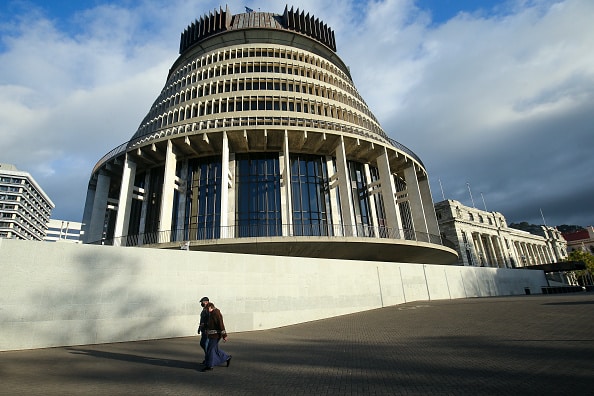

Fire sprinklers inside New Zealand’s Parliament House are old and could fail, according to a Treasury report released earlier this year.
Parliamentary Service has confirmed the system is outdated but says it is still working and safe. A long-term project is already under way to replace all the sprinkler pipes, with some sections completed.
The Treasury report warned that both the sprinkler and heating systems in Parliament are “end of life” and could stop working. Chief executive Rafael Gonzalez-Montero explained that the replacement work is happening in stages and will take several years. He also stressed that the current sprinklers remain operational, and alarms would alert staff if any part of the system stopped working.
The Public Service Association, a union representing staff, was surprised by the report. It said workers had only been told about “general problems” and not the serious risk of failure. PSA leader Fleur Fitzsimons called for urgent action, saying safety must come first. She argued that waiting years for the full upgrade is not acceptable.
Parliament has experienced fires before, including the Great Fire of 1907, which destroyed much of the original building, and smaller fires in 1992 and 2015. This history makes fire safety especially important.

 SMART Prep | Quick Question