Opinion Piece: More than land on a map

Share to Google Classroom

New Zealand is known for many things. We can play rugby, walk around barefoot, have a lot of sheep, and love a good pavlova in the summertime. But what takes the cake is our beautiful, picturesque landscapes laden with hues of green, the chitter chatter of native birds, and the wild places that make Aotearoa feel like home. There is something so special about being squeezed tight in a sleeping bag, surrounded by trampers in a hut.

I remember back to my first ever big tramp when I was just 7 years old, called the Abel Tasman. It was a four-day tramp located at the top of the South Island, walking from beach to beach, tracing the coastline. Days consisted of walking through forests, dropping in and out of ridges, and walking with a pack on the back. There was something special about walking each day, stopping every so often for our hungry hands to tuck into the scroggin, and making it to the beach at the end of the day.

That tramp taught me something I believe to this day: these places are not just land on a map. They belong to all of us and should be protected so that children in generations to come can experience the thrill of a tramp.

That is why the government’s proposed Conservation Amendments Act bill worries me. On paper, it might look like a boring law change that is ‘moving with the times’ or modernising conservation. But underneath the official language is something much bigger: a shift in how New Zealand treats its public conservation land.

So what exactly does this law entail? About 33% of New Zealand is covered with Public Conservation land. This land is government-owned property dedicated to preserving natural, historic, and cultural resources while providing public access and recreation. Examples of Public Conservation land are National Parks, wilderness areas, or conservation parks. Forest & Bird says around 60% of that land could become more open to development, exchange, or disposal.

That means land originally set aside for protection could become easier to use for business, tourism, infrastructure, or even sale. Supporters say this is about making better use of small, unused areas, but the real issue is the door it opens. Once conservation land can be traded, it stops being protected because it is precious and becomes protected only until something more profitable comes along.

This bill is worrying. Public conservation land is not empty space waiting for development. It is home to native wildlife, forests, rivers, and places with deep cultural meaning. These areas are part of Aotearoa’s identity and are valued for recreation, connection to the land, and protecting native species. The Government may say there are no plans to sell large areas, but laws should be judged by what they allow in the future. Once land is sold or developed, it is almost impossible to restore. You cannot rebuild an ancient forest with an apology.

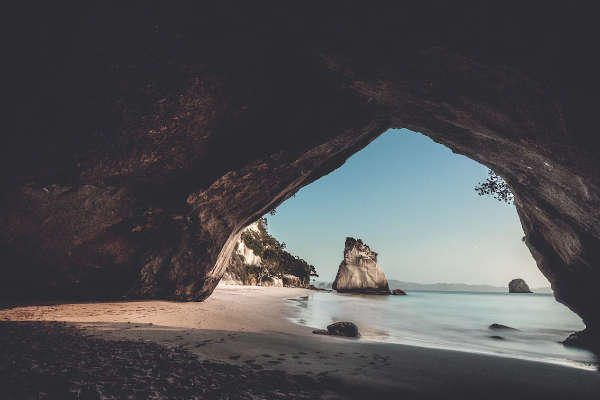
Valley Profile has reported concerns that places like Cathedral Cove and Coromandel Forest Park could become more exposed under the proposed changes. Forest & Bird also claims that areas such as Kaimai Mamaku Conservation Park, Tararua Forest Park, the Remarkables Conservation Area, and Catlins Conservation Park could be at risk too. Even partial changes to these areas should concern us. They are not just locations. They are landscapes, memories, habitats, and taonga.

Kaitiakitanga matters hugely in this decision. In Aotearoa, conservation should not just be about managing land. It should be about caring for the whenua and making sure it is still there for those who come after us. Public conservation land does not only belong to the Government of today. It belongs to future generations. It belongs to the children who have not yet walked the Abel Tasman, heard tūī in the bush, crossed swing bridges, or shared scroggin on the side of a track.

If the issue is a few small parcels of land that genuinely have no conservation value, then the law should be written carefully for that purpose. But weakening protections across such a large area of public conservation land feels like using a chainsaw when a pair of scissors would do. The risk is too great, and the places at stake are too important.

On so many tramps, I have met people from overseas who are amazed by what we have. I remember Justin from America, who was walking Te Araroa, buzzing about how unreal the scenery was. I also remember Lola, who could not stop talking about the waterfalls. What feels normal to us is extraordinary to others.

Part of what makes these places so special is that the tracks, huts, signs, bridges, and campsites are looked after. When you are out in the bush, those things matter. A well-kept track can be the difference between a safe adventure and a dangerous one. A hut at the end of a long day is not just a building; it is shelter, warmth, and a place where strangers become friends over noodles and cards. If DOC’s focus shifts too far towards economic development, business deals, and commercial projects, then what happens to the basic things that make conservation land usable and safe for everyone?

This is where we need to act. Submissions on the Conservation Amendment Bill close at 11:59 pm on 2 July 2026. I have already submitted my thoughts against the bill, and I urge Kiwi Kids to do so too. If we care about our forests, rivers, birds, huts, tracks, and the places that make Aotearoa feel like home, then we should not stay silent.

Because once public conservation land is gone, we cannot simply tramp back and pick it up again.

The Conservation Amendment Bill Explained | Capsule NZ

How did this story make you feel?

SMART Prep | Quick Question 211550
There are 20 books on a shelf in the school library. 25% of the books are borrowed. How many books are borrowed?


Did You Know?

What percentage of New Zealand is covered by Public Conservation land?
About 33% of New Zealand is covered by Public Conservation land, which is important for protecting nature and culture.

Vocabulary

Click on the words in the article. See if you can find them all.
  • conservation The protection of nature and wildlife. Conservation helps keep our forests and animals safe.
  • tramp A long walk in nature, often on trails. We went on a tramp through the beautiful mountains.
  • taonga A treasured item or something of great value. The forest is a taonga for many New Zealanders.
  • Thinking Question

    How can we balance protecting nature while allowing for development?

    Related Articles