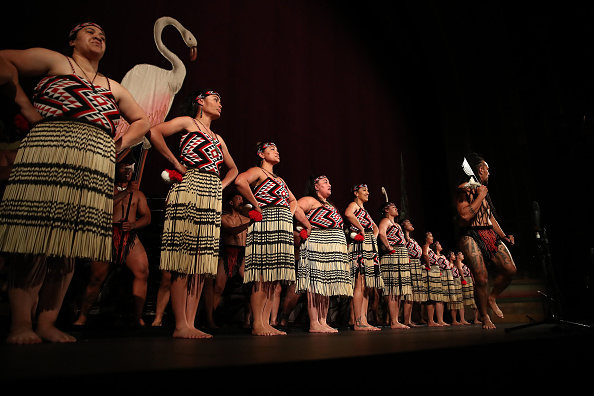

Te Wiki o te Reo Māori, New Zealand’s Māori Language Week, comes to an end this Sunday, 20 September 2026.
Schools, libraries and towns across the country have spent the week celebrating te reo Māori, with waiata, kapa haka and everyday kupu (words) making a comeback in classrooms and community events.
This year’s theme was “Te Reo Towns,” which encouraged people to use te reo Māori in ordinary, everyday places, not just in the classroom.
In Porirua, hundreds of tamariki gathered at Te Rauparaha Arena, where students from Aotea College taught younger children a waiata. Mayor Anita Baker called it “a fantastic morning,” adding it was “incredible to see such an awesome turnout from our community.”
Libraries, kura and even supermarkets joined in, with poi-making workshops, story sessions and bilingual signs appearing around the motu (country) throughout the week.
Māori Language Week always begins around 14 September. That date marks the anniversary of a huge 1972 petition, signed by more than 30,000 New Zealanders, that asked the Government to teach te reo Māori in schools.
That petition helped spark what grew into a full week of celebrations by 1975, and te reo Māori has been an official language of New Zealand since 1987.
Even though the special week is ending, organisers say learning te reo doesn’t have to stop. Simple things, like using a greeting in te reo Māori or learning one new kupu, can help keep the language strong all year round.
Kia kaha te reo Māori!
Te Reo Māori
Kua Tae ki te Mutunga o Te Wiki o te Reo Māori
Ka mutu a Te Wiki o te Reo Māori ā tēnei Rātapu, te 20 o Hepetema 2026.
Kua whakapau kaha ngā kura, ngā whare pukapuka me ngā tāone puta noa i te motu ki te whakanui i te reo Māori i tēnei wiki, me te waiata, te kapa haka me ngā kupu o ia rā e whakahokia mai ana ki ngā akomanga me ngā hui ā-hapori.
Ko te kaupapa o tēnei tau ko “Te Reo Towns,” e akiaki ana i te tangata kia whakamahia te reo Māori i ngā wāhi noa o te ao, ehara i te mea i roto noa i te akomanga.
I Porirua, i huihui mai ngā rau tamariki ki Te Rauparaha Arena, i reira ka whakaakona e ngā ākonga o Aotea College tētahi waiata ki ngā tamariki iti ake. I kīia e te Koromatua a Anita Baker he “ata pai rawa atu,” ā, i mea anō “he mea whakamīharo te kite i tēnei momo huihuinga nui mai i tō tātou hapori.”
I uru atu hoki ngā whare pukapuka, ngā kura, me ētahi toa hoko kai ki ngā mahi whakanui, me ngā akoranga hanga poi, ngā hui kōrero pakiwaitara, me ngā tohu reorua e kitea ana puta noa i te motu i te roanga o te wiki.
Ka tīmata tonu a Te Wiki o te Reo Māori ā te 14 o Hepetema, ia tau. Ko taua rā te rā whakamaharatanga o tētahi petihana nui i te tau 1972, i hainatia e neke atu i te 30,000 tāngata o Aotearoa, i tono ki te Kāwanatanga kia whakaakona te reo Māori i ngā kura.
Nā taua petihana i tīmata ai te tipu haere o tētahi wiki whakanui kātahi ka tino whakatinanahia i te tau 1975, ā, kua noho a te reo Māori hei reo whaimana o Aotearoa mai i te tau 1987.
Ahakoa ka mutu tēnei wiki motuhake, e ai ki ngā kaiwhakahaere, kaua e mutu te ako i te reo Māori. Ko ngā mea ngāwari, pēnei i te whakamahi i tētahi mihi reo Māori, i te ako i tētahi kupu hou rānei, ka āwhina ki te whakapakari tonu i te reo puta noa i te tau.
Kia kaha te reo Māori!

 SMART Prep | Quick Question