
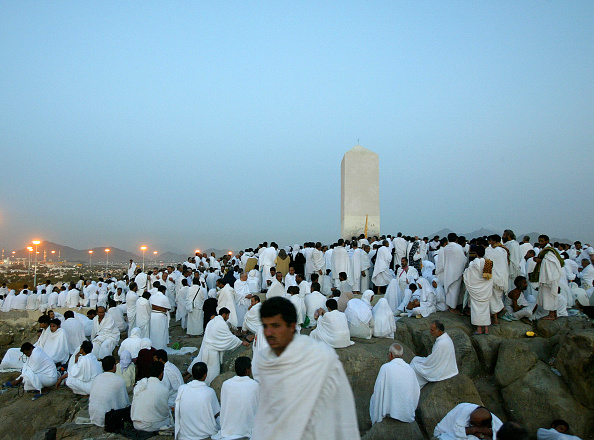
Hundreds of pilgrims died this year during the Hajj pilgrimage in Saudi Arabia because of extreme heat.
The Hajj is a special journey that every able Muslim must make at least once in their lifetime. This year, many pilgrims faced temperatures as high as 51.8°C (125.2°F) in the city of Mecca. Families had to wait in long lines to find out if their loved ones were safe at the emergency complex in the Al-Muaisem neighborhood.
Saudi Arabia has not officially stated how many people died or why, but unofficial reports say that between 550 and 600 people lost their lives. The extreme heat was likely a big reason for these deaths. Countries like Jordan and Tunisia have reported deaths among their pilgrims due to the high temperatures.
The Hajj attracts over two million people from around the world each year, including many from poorer countries. Many pilgrims are elderly and may have health problems, making them more likely to get sick from the heat. Despite Saudi Arabia spending a lot of money on safety measures, the huge number of participants makes it hard to keep everyone safe.
On one particularly hot day, Mecca recorded a temperature of 47°C (116.6°F), causing some pilgrims to faint. One of the rituals involves throwing stones at a pillar symbolizing the devil, and this made the heat even harder to bear for many.


 SMART Prep | Quick Question