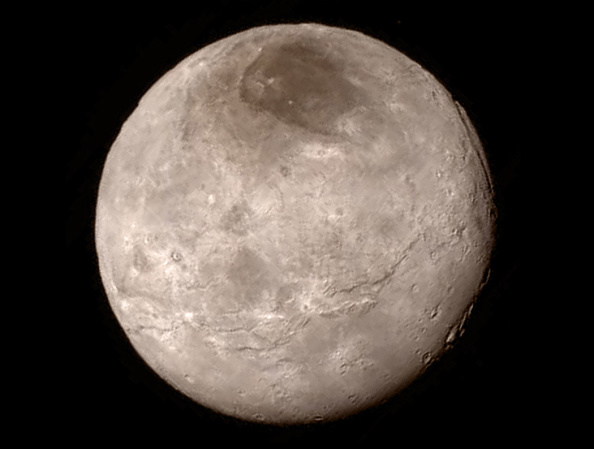

Scientists at NASA have discovered a brand-new crater on the Moon so big that something like it only happens once every hundred years, or even longer.
The crater, named McGetchin, formed on the Moon’s eastern edge sometime between 11 April and 22 May 2024, when a comet or asteroid about the size of a three- to six-storey building slammed into the surface.
It measures about 222 metres wide — roughly as long as two football fields — and 43 metres deep, which is about as tall as three school buses stacked on top of each other. Scientists say it’s the largest newly formed crater ever found anywhere in the solar system.
The crater was spotted almost by accident. Robert Wagner, an image-processing specialist, was doing a routine check of photos from NASA’s Lunar Reconnaissance Orbiter in October 2025 when he noticed something unusual.
“I just stopped, dropped everything, and started looking into what that spot was,” Wagner said.
Researchers found the crash left behind a “cold spot” about six kilometres wide, roughly 9°C cooler than the ground around it. This happens because the impact stirs up rock from deeper underground, which reacts differently to sunlight than the older, dusty surface.
The findings were published in the journal Science Advances. Scientists say the Lunar Reconnaissance Orbiter has now spotted more than 1,000 new craters on the Moon over its 17 years circling our nearest neighbour in space.
Te Reo Māori
He Rua Nui Hōu i Kitea i te Marama
Kua kitea e ngā kaipūtaiao o NASA tētahi rua hōu i runga i te Marama, he nui rawa atu tōna āhua ka pēnei noa i te kotahi rau tau, neke atu rānei.
Ko te rua, kua tapaina ko McGetchin, i hanga i te taha rāwhiti o te Marama i waenganui i te 11 o Āperira me te 22 o Mei 2024, i te wā i pā ai tētahi kometa, tētahi asteroid rānei, he rahi ōna e rite ana ki tētahi whare e toru ki te ono ngā papa, ki te mata o te Marama.
He 222 mita te whānui — tata ki te roa o ngā papa whutupōro e rua — ā, he 43 mita te hōhonu, arā, e rite ana ki te teitei o ngā pahi kura e toru, i runga i a rātou anō. E ai ki ngā kaipūtaiao, koinei te rua hōu nui rawa atu kua kitea puta noa i te pūnaha kōpū rā.
I kitea taua rua i runga tonu i te tūpono. I a Robert Wagner, he kaimahi tirotiro whakaahua, e tirotiro ana i ngā whakaahua mai i te Lunar Reconnaissance Orbiter a NASA i te marama o Oketopa 2025, ka kite ia i tētahi mea rerekē.
“Kātahi ka tū ahau, ka waiho katoa aku mahi, ka tīmata te tirotiro he aha rā taua wāhi,” e ai ki a Wagner.
I kitea e ngā kairangahau tētahi “wāhi mātao” i toe i muri i te tukinga, tata ki te ono kiromita te whānui, tata ki te 9°C te mātao iho i ngā whenua e karapoti ana i a ia. Ka puta tēnei nā te mea ka pokea ake e te tukinga te toka o raro rawa, he rerekē tāna urupare ki te rā, i te mata tawhito, puehu o runga.
I whakaputaina ngā kitenga ki roto i te pukapuka rangahau a Science Advances. E ai ki ngā kaipūtaiao, neke atu i te 1,000 ngā rua hōu kua kitea e te Lunar Reconnaissance Orbiter i runga i te Marama i roto i ōna tau 17 e porohita haere ana i tō tātou hoa tata rawa atu i te ao.

 SMART Prep | Quick Question