
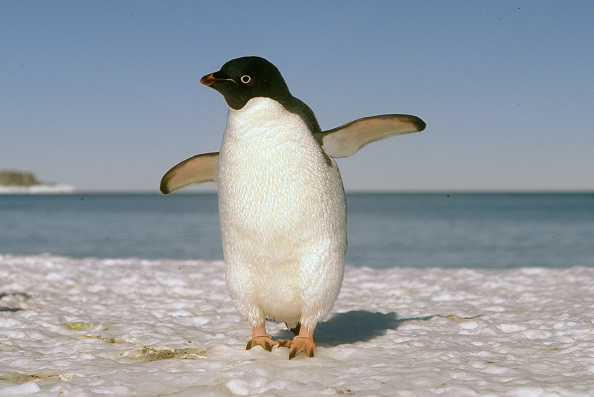

Scientists have discovered that penguin poo can help reveal how climate change is affecting Antarctica’s wildlife. A new study used satellite images to track changes in the colour of Adélie penguin droppings over the past 30 years.
Researchers found that the colour of penguin poo can show what the birds have been eating. Pink or reddish droppings mean penguins have mostly eaten krill, while whiter droppings show they have eaten more fish.
The study found that penguin diets changed depending on the amount of sea ice nearby. When there was more sea ice, penguins ate more fish, which is their preferred food. When sea ice decreased, the penguins ate more krill instead.
Scientists believe warmer oceans and melting sea ice caused by climate change are reducing the number of Antarctic silverfish available for penguins. This change could make it harder for the birds to get their favourite food.
The researchers said the discovery was surprising because satellites allowed them to study penguin diets from space. They believe the findings could help scientists better understand how climate change is affecting Antarctica’s entire ecosystem.

 SMART Prep | Quick Question