
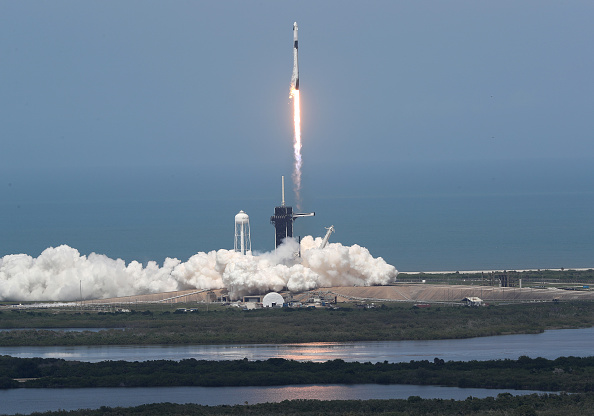

SpaceX has launched another test flight of its giant Starship rocket. The 124-metre-tall rocket blasted off from the company’s launch site in southern Texas carrying 20 of its newest Starlink internet satellites. NASA closely watched the mission because Starship is expected to play a key role in future Artemis Moon missions. The launch came after an earlier attempt was cancelled when several engines failed to ignite, forcing engineers to replace six engines before trying again.
This was the 13th flight of Starship and the second test this year using the latest V3 version of the spacecraft. At liftoff, all 33 engines worked correctly, allowing the rocket to leave the launch pad successfully. However, during the booster’s return, not enough engines restarted, causing it to fall too quickly and crash into the Gulf of Mexico instead of making a controlled landing. Despite this setback, the upper stage continued its planned journey across the world towards the Indian Ocean while releasing its satellites about 200 kilometres above Earth.
The 20 Starlink satellites were designed to test new technology before burning up during re-entry. After being released, they communicated with existing Starlink satellites using laser links, helping SpaceX improve its growing network of more than 10,000 satellites that provide internet services around the world. Six of the satellites also carried cameras to photograph Starship’s heat shield during flight. Engineers painted some of the heat shield’s normally black tiles white to imitate damaged areas and study how well the shield could continue protecting the spacecraft.
Although the booster was lost, the mission provided valuable information for future flights. SpaceX hopes to make Starship completely reusable, allowing both the booster and spacecraft to return safely after launch. The company has already demonstrated catching returning boosters with giant mechanical arms and plans to do the same with the spacecraft in the future.

 SMART Prep | Quick Question