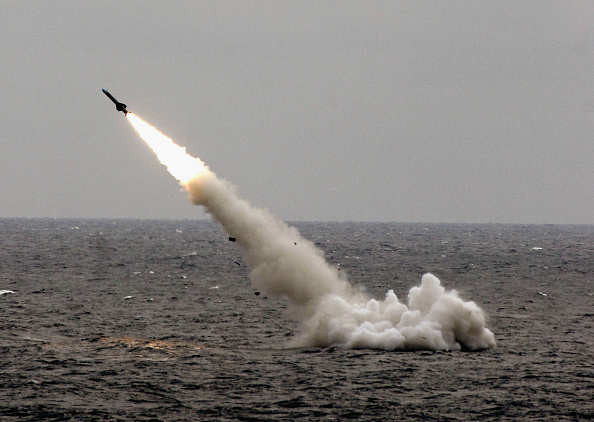

China test-launched a long-range ballistic missile into the South Pacific on Monday, giving New Zealand only a few hours’ notice before it happened. The missile, which carried a dummy warhead, landed in the ocean near the Pacific nations of Tuvalu and Kiribati. New Zealand’s Foreign Affairs Minister, Winston Peters, said the test was “deeply concerning” and did not fit with the Pacific’s reputation as an “Ocean of Peace”.
Peters explained that the missile had been fired into a special area known as the South Pacific Nuclear Free Zone, which was set up many years ago by the Treaty of Rarotonga to keep the region free from nuclear weapons. He said China’s actions went against the spirit of that treaty and could upset the peace and stability that Pacific countries valued. New Zealand’s Prime Minister, Christopher Luxon, agreed, saying the test was unwelcome and that the country did not want to see more military activity in the region.
Australia also spoke out against the missile test, with its Foreign Minister, Penny Wong, calling it “destabilising for the region”. She said the launch showed a lack of openness from China about its growing military power. China responded by saying the test was simply a routine part of its yearly military training and followed international law.
The missile test came just after Australia and Fiji signed a new defence agreement, which other Pacific nations could later choose to join. New Zealand’s leaders said they would keep talking with Pacific partners about the situation to help protect peace and stability across the region.

 SMART Prep | Quick Question