
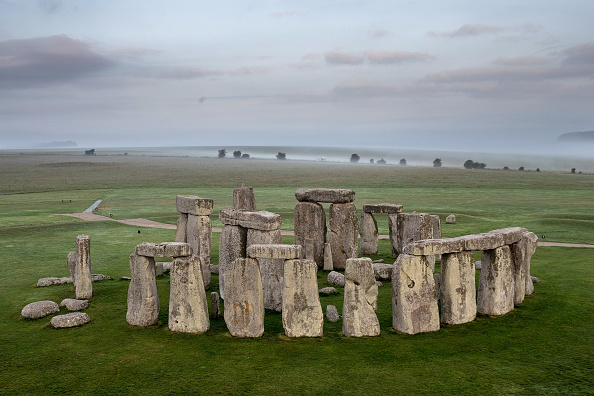

Scientists believe they have discovered an earlier version of Stonehenge near Bulford, a village about three miles from the famous monument in Wiltshire. The new site may be around 5,000 years old, making it about 500 years older than Stonehenge. Experts found two large holes that may once have held tall wooden posts.
The wooden posts have rotted away, but the holes show where they may have stood. Researchers think the posts were about 120 metres apart and between two and four metres high. They also noticed that the holes seemed to line up with the Sun on the longest and shortest days of the year.
Stonehenge is known for the way its stones line up with the Sun during the summer and winter solstices. The Bulford site was much simpler, but it may have had a similar purpose. Archaeologists also found pottery, flint tools and other holes nearby, which suggests that prehistoric people gathered there.
Experts say the discovery could help them understand more about the people who built Stonehenge. These early farmers depended on the seasons and the Sun for their way of life. The new site may show that people lived or gathered near Bulford while work was taking place at Stonehenge.

 SMART Prep | Quick Question