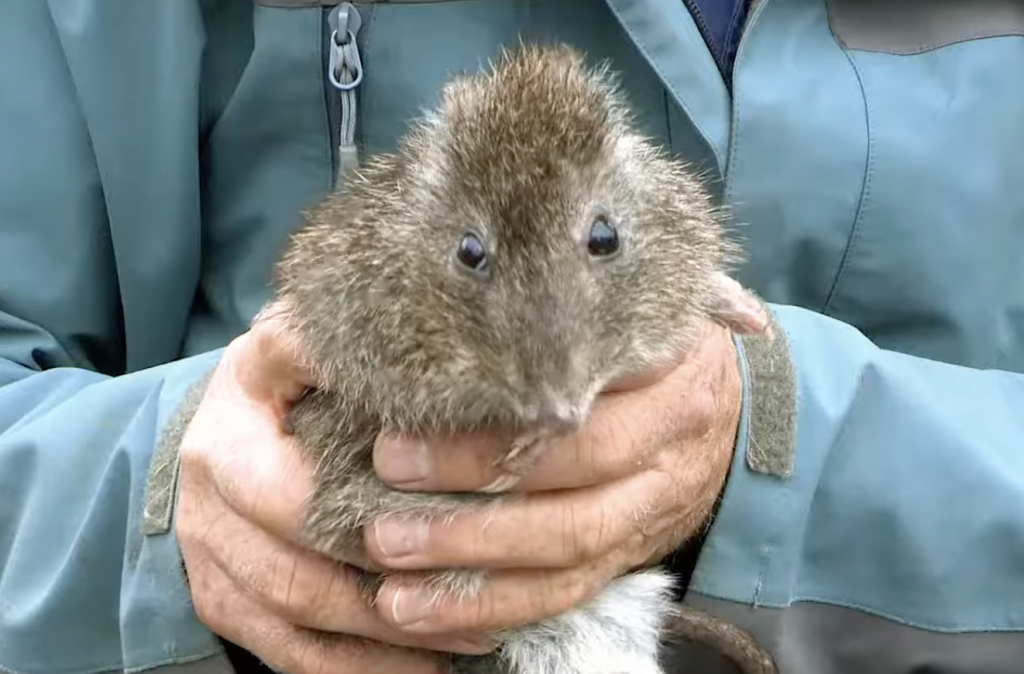

With fewer than 150 left in the wild, the Gilbert’s potoroo is one of the most endangered animals on the planet.
Now, Australian scientists think they have found a clever way to help save it — by studying its poo.
Researchers from Edith Cowan University in Western Australia have been analysing the animals’ droppings to figure out exactly what they eat. The technique, called eDNA metabarcoding, works by extracting tiny traces of DNA left behind in animal faeces. It lets scientists study what an animal has been eating without ever needing to catch or disturb it.
It turns out the Gilbert’s potoroo is an extremely fussy eater. It depends almost entirely on specific underground fungi to survive, which makes finding a suitable new home for the species very difficult. This is important because scientists want to move some potoroos to new locations to create backup populations. If a disaster like a bushfire destroys the main group, there would still be animals surviving elsewhere. This is exactly what happened in 2015, when a fire wiped out 90 per cent of the potoroo’s core habitat in one event.
By studying which other animals share a similar diet and habitat, scientists can now better pinpoint where potoroos might successfully be relocated.
The Gilbert’s potoroo was actually thought to be extinct before being rediscovered in 1994. Conservationists have been racing to protect the species ever since. This research gives them a much better map to work from.

 SMART Prep | Quick Question