
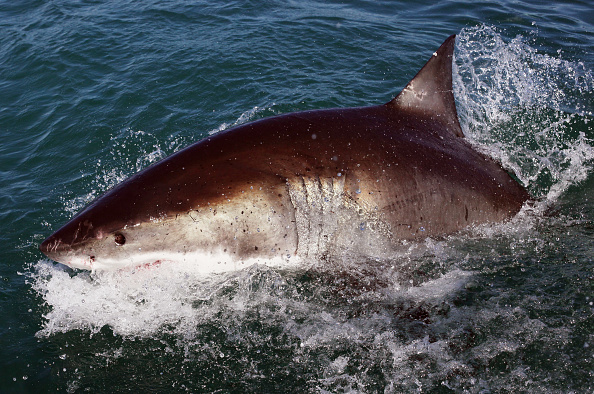

Australian scientists have been testing new materials that could make wetsuits safer and more protective against shark bites—without making them heavy and uncomfortable.
Traditional shark-proof suits are usually made with metal, which makes them too bulky for surfers and swimmers. Now, researchers from Flinders University have teamed up with New South Wales shark experts to test new materials made from the same strong, lightweight fibres used in sailing ropes.
These special fibres are both flexible and tough, making them a better fit for people who need to move easily in the water.
The team tested four different bite-resistant materials by comparing them to regular wetsuit material, called neoprene. They focused on two powerful sharks—great whites and tiger sharks.
Dr Tom Clarke from Flinders University said the results were encouraging. “Our study showed that bite-resistant materials can reduce damage from large shark bites compared to normal wetsuits,” he explained.
Shark bites are rare, but they can still scare people away from beaches and affect tourism in coastal towns. The scientists hope their work will help create better wetsuits for surfers, divers, and others who enjoy the sea.
With more testing and development, this new technology could one day help keep more people safe in the ocean.

 SMART Prep | Quick Question