
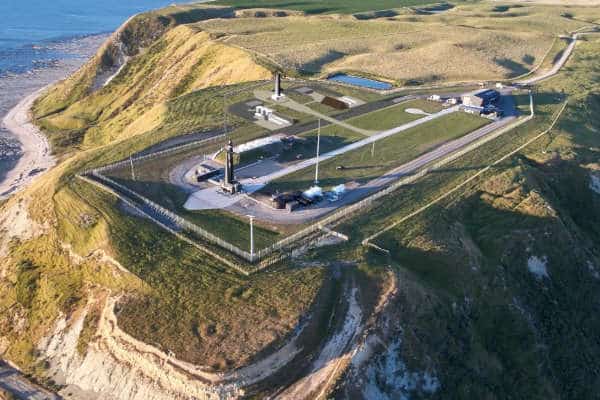

Rocket Lab has launched two new navigation satellites for the European Space Agency from its site in Hawke’s Bay, New Zealand. The mission is part of the Celeste programme, which aims to test a new kind of satellite system in low Earth orbit. The Electron rocket carried the first two satellites of an 11-satellite demonstration group. The launch was Rocket Lab’s 85th mission and its first dedicated launch for ESA.
The satellites will orbit about 500 kilometres above Earth. They are designed to try out next-generation navigation technology. Scientists hope this system could help improve services such as autonomous vehicles, maritime navigation, wireless networks, emergency services and important infrastructure projects. These are all areas where accurate positioning and timing are very important.
ESA says the new satellites could work alongside Europe’s current Galileo system, which operates much higher above Earth in medium Earth orbit. By adding a layer of satellites closer to the planet, the system may become stronger and more reliable. It could also offer new kinds of services in the future.
This mission is an important step for both ESA and Rocket Lab. For ESA, it begins testing a fresh idea for satellite navigation. For Rocket Lab, it marks another major achievement from its New Zealand launch site.

 SMART Prep | Quick Question