
A marine park in Australia is testing a new way to protect sea sponges and improve ocean habitats.
Scientists, led by Dr. Chris Gillies from Offshore Biotechnologies, are placing 120 tonnes of recycled shell rubble onto the sea floor in Apollo Marine Park. They will then introduce baby sea sponges to these reefs, hoping to create new underwater communities and support marine biodiversity.
Dr. Gillies explained that the rocky surfaces will attract plankton, baby sponges, and corals, helping to form a new reef. These sea sponge gardens will provide homes for creatures like rock lobsters and improve the underwater ecosystem by filtering water and recycling nutrients.
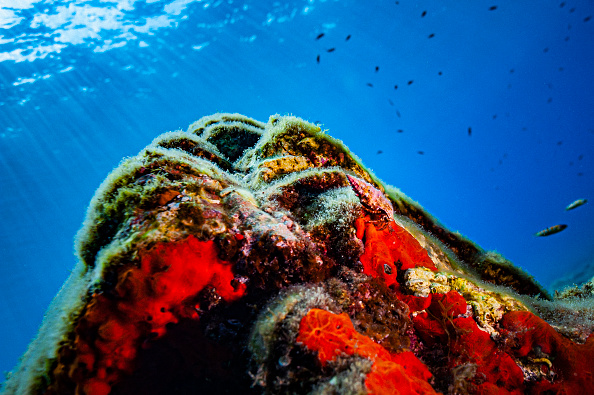
Sea sponges may remind you of kitchen sponges, but they are actually living creatures. There are about 8,500 species of sea sponges worldwide, and they play a crucial role in keeping water clean. Sponges come in different shapes, sizes, and colours. They are invertebrates, meaning they have no backbone, and they lack a brain, digestive system, or blood. Instead, they survive by filtering water for food and oxygen.
Sponges are some of the oldest animals on Earth, with fossils dating back 600 million years. They form important relationships with microorganisms, making them valuable for scientific and medical research. However, sponges grow very slowly and need stable conditions to survive.
To track the progress of this project, scientists from Deakin University will use underwater drones to monitor the reefs. The Australian government is funding the trial, and if successful, similar methods could be used in other marine parks.

 SMART Prep | Quick Question