


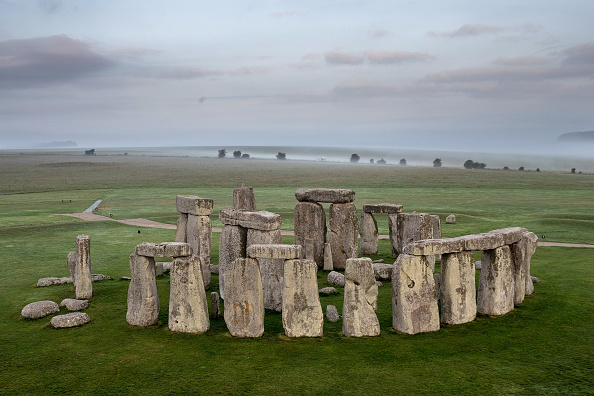

New research has surprised experts by revealing that the Altar Stone at Stonehenge may have come from Scotland, not Wales as previously thought.
This discovery suggests that one of the monument’s most famous stones was transported at least 435 miles to reach its location on Salisbury Plain in Wiltshire, much further than earlier believed.
For the past century, the six-tonne sandstone was assumed to originate from Wales, like many of Stonehenge’s smaller bluestones. However, after analysing the stone’s chemical makeup, scientists now believe with 95% confidence that it likely came from northeast Scotland. This stone might have been placed at Stonehenge during its second construction phase around 2620-2480 BC.
Professor Richard Bevins from Aberystwyth University, a co-author of the study, called these findings “truly remarkable,” as they challenge long-held beliefs about Stonehenge’s origins. The researchers are excited to continue their work and pinpoint the exact location in Scotland where the Altar Stone came from.