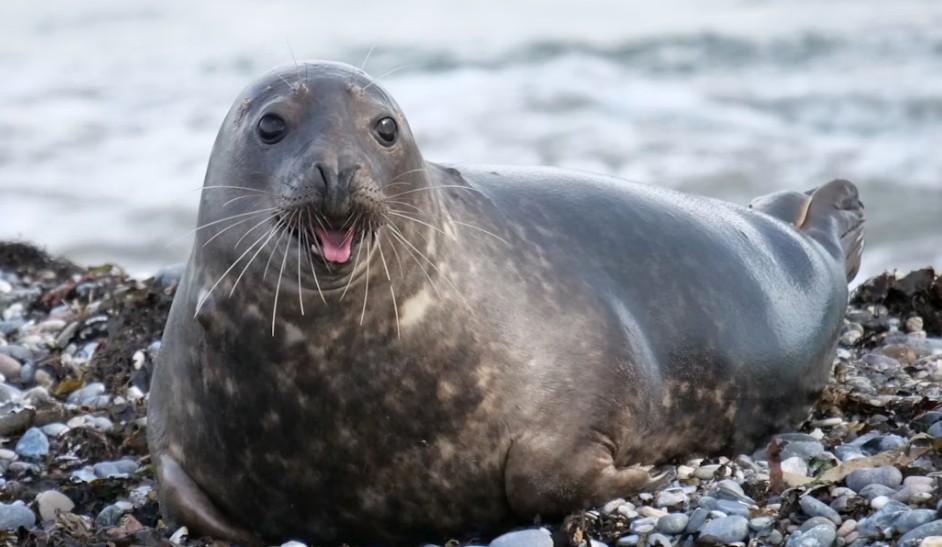

Five new marine reserves were launched along the Otago and South Canterbury coastline in a historic partnership between Ngāi Tahu and the Department of Conservation (DOC). The reserves, known together as Te Au Roa o Te Rakihouia, covered more than 300 square kilometres of coastal ocean between the Waitaki River and Milton. A special ceremony was held at Ōtākou Marae in Dunedin to mark the occasion, attended by iwi members, DOC staff, and Conservation Minister Tama Potaka.
The reserves were declared “no-take zones”, meaning all fishing, harvesting, and mineral extraction were banned from 1 July. Edward Ellison, head of Te Rūnanga o Ōtākou, said the area held deep importance for Ngāi Tahu, containing coastal reefs, marine mammals, and a wide variety of species. He explained that the connection between the iwi and the ocean was part of their customs and history, and that remaining involved in the management of the reserves was essential.
DOC operations manager Gabe Davies said the project had taken more than a decade to complete, beginning with a community forum in 2014 and recommendations to the government in 2018. He described the reserves as “national parks of the sea” and noted that they nearly doubled the amount of marine protection of this kind across all of New Zealand. A team of both DOC and Ngāi Tahu rangers were to carry out day-to-day management, diving, research, and monitoring of the protected areas together.
Conservation Minister Tama Potaka said he was firmly supportive of the partnership and praised the work being done to protect the environment for future generations. The marine reserve status was described as the highest level of protection available in New Zealand, giving the areas a chance to recover and thrive. The boundaries of a sixth marine reserve remained under review following a legal challenge from the Otago Rock Lobster Industry Association.

 SMART Prep | Quick Question