Scientists have discovered more than 1,100 species that were completely unknown to science in just a single year.
The Ocean Census, which launched in 2023, announced that between April 2025 and March 2026, researchers identified 1,121 new marine species. That is a 54 per cent jump from the previous year, thanks to 13 ocean expeditions and nine special discovery workshops held around the world.
Among the new finds was a ghost shark, also called a chimaera, which was discovered by Australian research organisation CSIRO. Ghost sharks are a rare and ancient group of fish, and around a third of all sharks, rays and chimaeras are currently at risk of extinction.
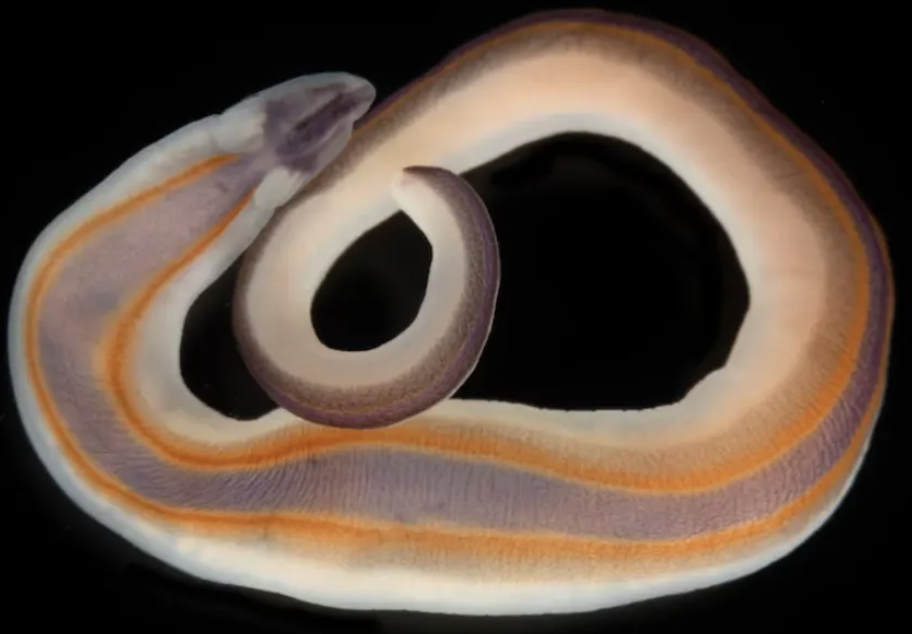
Another standout discovery was a tiny worm found living inside the glassy chambers of a deep-sea sponge on a submarine volcano. Scientists nicknamed it the “life in a glass castle” worm. A ribbon worm found off the coast of Timor Leste is also turning heads, as some toxins from similar worms are being studied as possible treatments for Alzheimer’s disease and schizophrenia.
Despite covering more than 70 per cent of Earth’s surface, the ocean remains one of the least explored places on the planet. Up to 70 per cent of the seafloor is still unmapped, and scientists estimate there could be up to one million species still waiting to be found.
Ocean Census director Oliver Steeds says the cost of exploring our own oceans is tiny compared to space missions, and the urgency is real. Researchers warn that some species could disappear before they are ever discovered, making this race to understand ocean life more important than ever.


 SMART Prep | Quick Question