

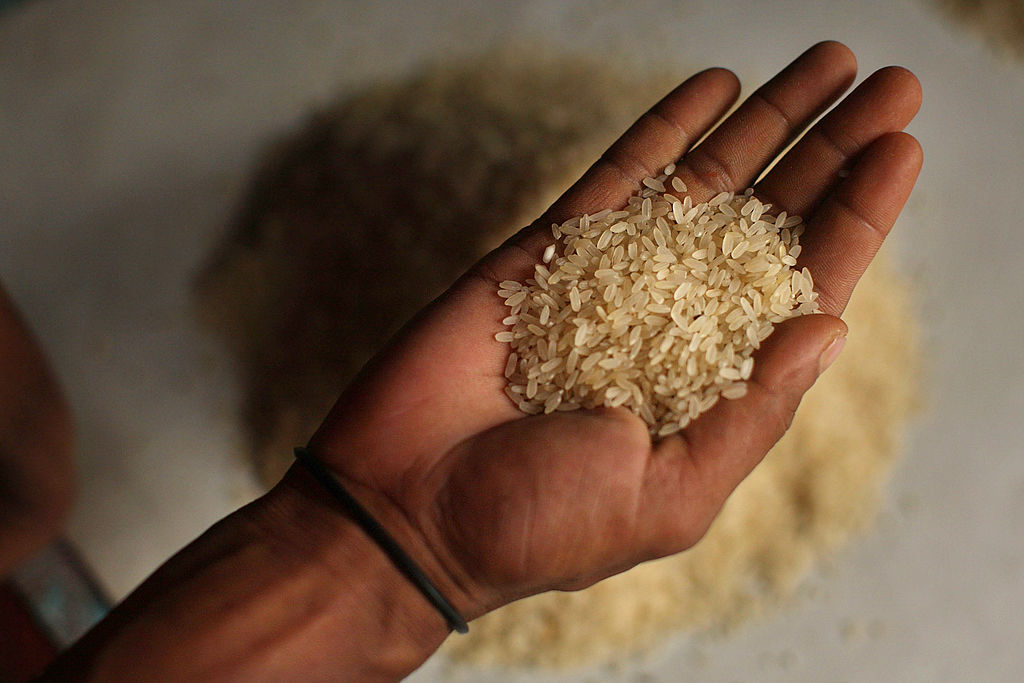

India has banned the export of non-basmati white rice in an attempt to keep prices down for consumers. The ban comes after heavy rains damaged crops in the country, and rice prices have risen by more than 11% over the last 12 months.
Non-basmati white rice accounts for about a quarter of India’s rice exports, so the ban could have a significant impact on global food prices. Experts say the move could push up prices for rice in other countries, especially in Asia and Africa.
The Indian government says the ban is necessary to ensure that there is enough rice available for domestic consumers. The government also says that farmers will still be able to export other kinds of rice, including long-grain basmati.
The ban is the latest in a series of measures that the Indian government has taken to try to control rising food prices. In recent months, the government has also imposed a 20% export tax on wheat and sugar, and it has limited the amount of wheat that can be exported.
The rising cost of food has put political pressure on the Indian government, which is facing national elections next year. The government is hoping that the ban on rice exports will help to keep prices down and avoid a backlash from voters.