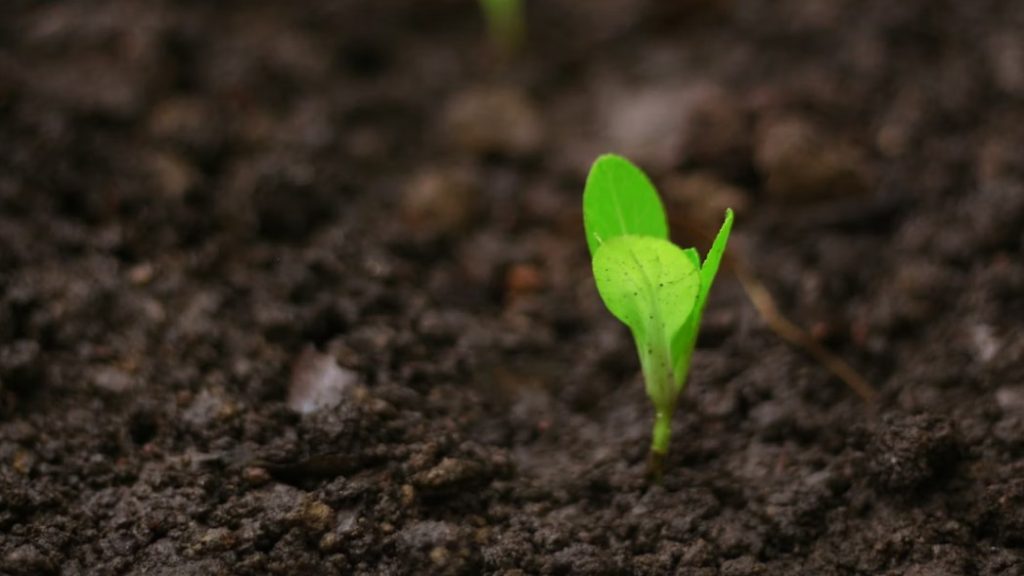

Scientists have discovered that plant seeds may be able to sense the sound of rain and use it to decide when to grow. The study, published on 23 April 2026, found that rice seeds exposed to the sound of raindrops sprouted faster than those that were not. Researchers carried out the experiment using rice seeds placed in shallow water, where some were exposed to falling droplets while others were kept still.
The team observed thousands of seeds and found that those in light to moderate rain conditions grew about 24 per cent faster. Rice seeds were chosen because they can germinate underwater, allowing scientists to focus on the effect of sound rather than water itself. The researchers explained that the sound of a raindrop hitting water creates strong vibrations, even though it may seem quiet to us above the surface.
Underwater, these “plunk” sounds can be extremely loud, similar to standing close to a jet engine for a human. The scientists believe seeds may detect these vibrations through tiny structures called statoliths. These small parts inside plant cells usually help plants sense gravity, but they may also respond to sound vibrations in the water.
Other experts say plants are already known to respond to their environment in many ways, such as reacting to touch, wind, and even insects chewing on leaves. While the new findings are exciting, some scientists think more research is needed to confirm whether sound alone causes seeds to grow faster. They suggest other factors, like changes in water pressure or oxygen levels, might also play a role.

 SMART Prep | Quick Question