
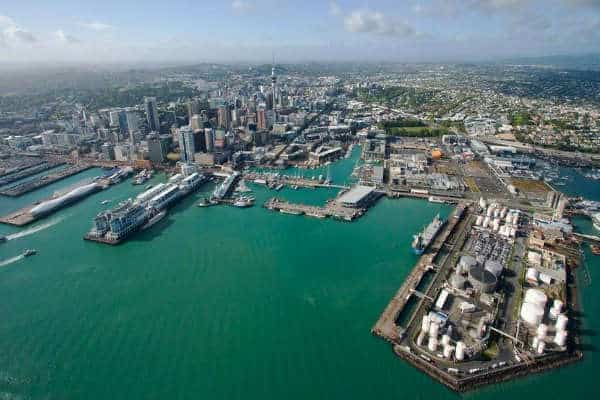
Scientists have discovered dozens of previously unknown faultlines beneath Auckland, and plan to investigate whether they could cause earthquakes.
The findings were announced this week by researchers, including James Muirhead from Auckland University. The team says the discovery does not increase the known earthquake risk to the city at this time. However, further studies will begin soon to learn more.
Scientists will dig trenches up to four metres deep across some of the most likely faultlines, especially near Pukekohe and Drury in the rural south of the city. By studying the soil and rock layers, they hope to find out when the ground last moved. Any fault that has shifted within the past 125,000 years is considered active. Some of the newly found faults may not have moved for up to six million years, meaning they are probably not active.
The faultlines were discovered by studying borehole samples, which are deep holes drilled into the ground to examine how the land has changed over time. Researchers grouped the lines into likely faults, possible faults and possible structures that need more study. Two major probable faults stretch between the Waitematā and Manukau harbours. Other possible faults have been identified in areas such as Northcote, Birkenhead and Wiri.
Although Auckland is often thought to have few earthquakes compared with other parts of New Zealand, it has experienced strong tremors before. In 1891, an earthquake near Port Waikato was powerful enough to shatter windows in the city. Scientists also found that Auckland experiences more small earthquakes than previously believed, likely because monitoring equipment has improved.


 SMART Prep | Quick Question