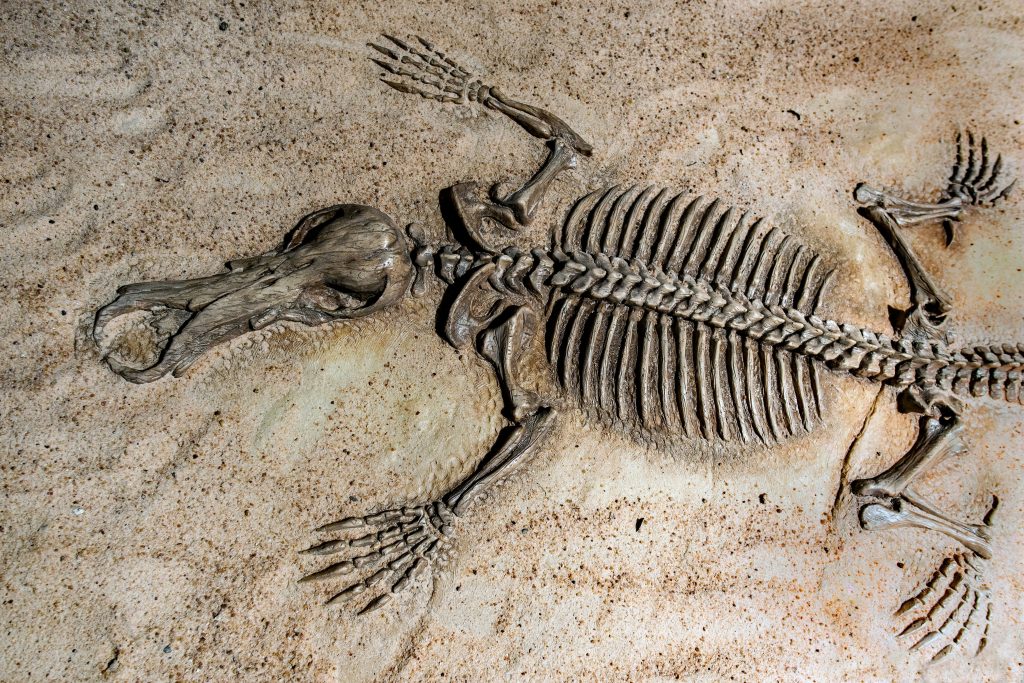

A team of scientists in northern Spain has discovered a new dinosaur species no bigger than a chicken. The dinosaur, named Foskeia pelendonum, lived about 130 million years ago during the Early Cretaceous period. Its fossils were found in Burgos, and researchers say it was only about 30cm tall and 60cm long, including its tail.
Despite its small size, Foskeia is giving scientists important clues about how plant-eating dinosaurs, called ornithischians, evolved over time. More than 800 fossil bones have been found, including a skull so small it can fit in the palm of a hand.
What makes this dinosaur special is its unique skull and teeth. Its front teeth were not used for chewing, but the back part of its mouth was strong. This feature shows how it adapted to its environment in a different way from others.
Researchers also studied the bones under a microscope and discovered that Foskeia grew quickly and had high energy levels, much like small birds or mammals. They believe it was quick on its feet and darted through forest areas using short bursts of speed.

 SMART Prep | Quick Question