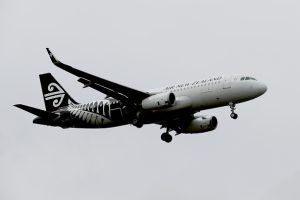
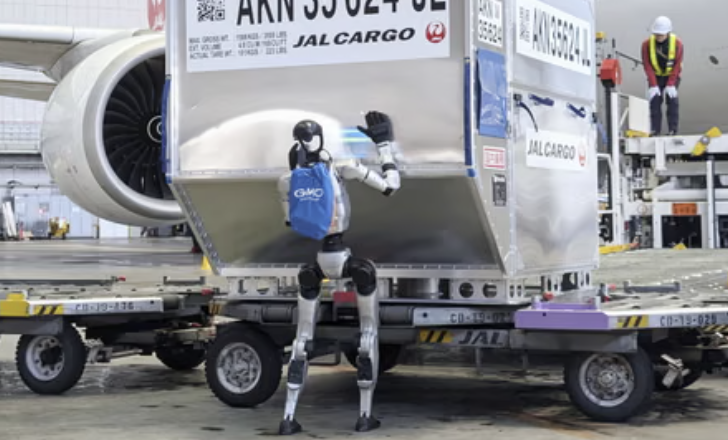
Japan Airlines is introducing robots to help handle baggage at Haneda airport in Tokyo, Japan, from the beginning of May. The robots will work alongside airport staff as part of an experiment that is planned to run until 2028. Haneda airport is one of Japan’s busiest airports, welcoming about 60 million travellers each year.
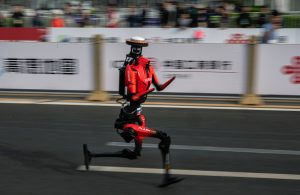
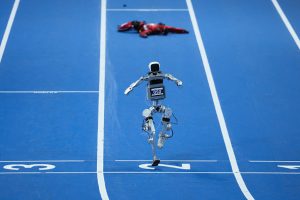
The robots are made by a Chinese company and stand 130 centimetres tall. They can work for two to three hours without stopping, although they will need to be charged during the day. Unlike human workers, they do not need rest breaks, but they still need people to guide and manage their work.
Japan Airlines says the robots may become part of the permanent workforce if the trial is successful. The company is also planning to use them for other jobs, such as cleaning aircraft cabins. Yoshiteru Suzuki, a manager at JAL, said robots could help reduce the strain of physically demanding tasks for workers.
Some people are concerned that robots could replace human jobs as companies use them more often. However, JAL says some important tasks, including safety management, will still be done only by humans.


 SMART Prep | Quick Question