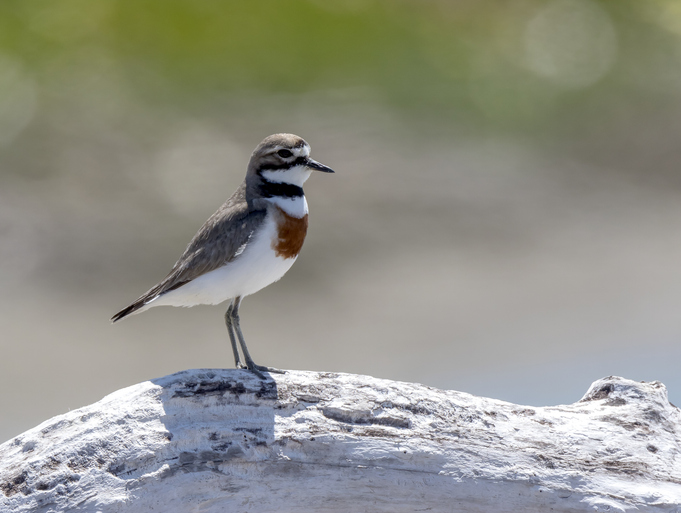

The population of the threatened Southern New Zealand dotterel, also called pukunui, has risen sharply on Stewart Island / Rakiura after a controversial 1080 poison drop.
The birds only breed on this island, and their numbers grew from 105 to 160 after the operation in August 2025. This is the biggest increase since recovery work began 32 years ago. The main reason was that many fewer feral cats were able to kill the birds during nesting season.
A 1080 poison drop is when bait containing a toxin called 1080 is spread over land, often by helicopter or plane, to kill harmful pest animals.
In New Zealand, it is mainly used to control pests such as rats, possums and stoats, which eat native birds, eggs and chicks. The plan also worked against feral cats in an indirect way: rats ate the 1080 bait, and then cats ate the poisoned rats. This is called a secondary kill.
This meant adult birds were safer while they nested on the mountain tops and looked after their chicks. Rangers counted 91 of 97 known adult birds still alive, along with 56 newly banded juveniles, one new adult and five unbanded birds.
Even with the bird population rising, conservation leaders say pukunui are still far from safe and more work is needed to protect them and other taonga species.

 SMART Prep | Quick Question