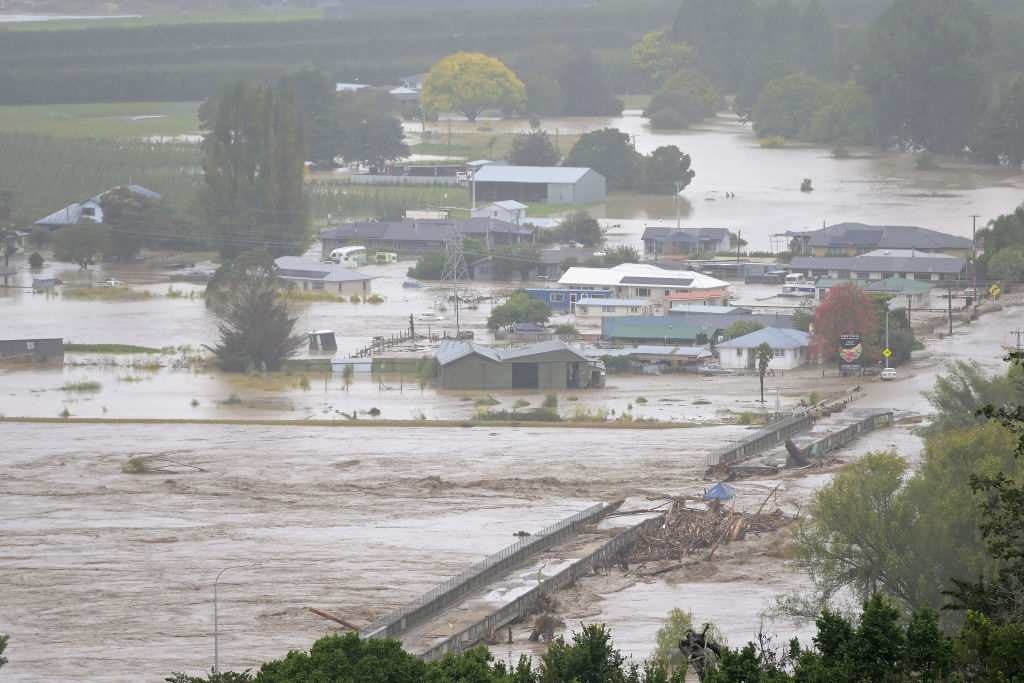

Heavy rain caused major flash flooding across Wellington early on Monday morning, with some places getting more than 70mm of rain in just one hour.
That amount was more than half of the rain the city’s Botanical Gardens would usually get in the whole of April. Streets in several suburbs were flooded, cars were left floating, and emergency services answered more than 150 weather-related calls in one morning. Support centres were set up in Lower Hutt to help people forced from their homes.
Over 48 hours, Wellington received almost three times its usual monthly rainfall, making some people compare it with the city’s famous 1976 flood disaster. Roads, highways and public transport were badly affected, with flooding and slips causing ongoing disruption. Although the rain felt almost tropical, this storm was not like Cyclone Vaianu from the week before. Instead, it formed in the Southern Ocean and moved over unusually warm seas in the Tasman Sea.
Cold air passing over warm water helped create thunderstorms with very heavy local downpours. This meant some places were hit much harder than others, even across short distances. In Wellington, winds along the south coast pushed moist air upwards and kept heavy rain falling over the same areas for longer.
Experts say this storm shows how a warmer world can make heavy rain more intense. Warmer air and oceans hold more moisture, which gives storms more energy and increases the chance of powerful downpours. Research from the University of Waikato suggests that the heaviest one-day and three-day rain events in much of New Zealand could become 10 to 20 per cent stronger later this century.

 SMART Prep | Quick Question