
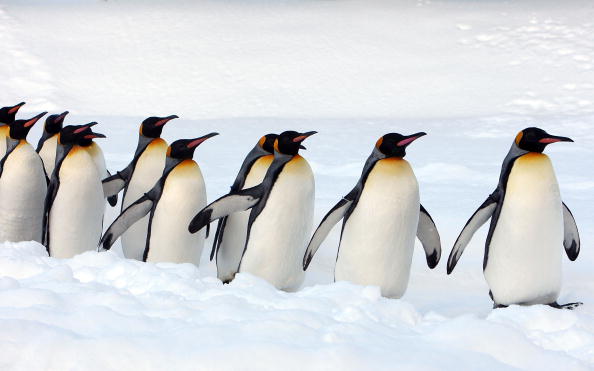

Emperor penguins and Antarctic fur seals have both been moved onto the endangered list, meaning they are now at very high risk of dying out in the wild. The change was announced on 10 April 2026 and is based on new scientific findings from Antarctica. Experts say climate change is a major reason for the drop in numbers.
Scientists found that emperor penguin numbers fell by about 10 percent between 2009 and 2018. That means more than 20,000 adult birds were lost. These penguins need stable sea ice, called fast ice, to raise their chicks and stay safe. If the ice breaks apart too early, the chicks may not survive.
Experts warn that emperor penguin numbers could fall by half by the 2080s if greenhouse gas emissions are not cut. BirdLife International said the new status is a strong warning that climate change is making the extinction crisis worse. The birds are already among the most threatened in the world.
Antarctic fur seals are now endangered too. Their population dropped by more than half between 1999 and 2025, falling from over two million to fewer than one million. Scientists say warmer seas and melting ice have reduced the amount of krill, the tiny sea animals that seals eat.
With less food available, fewer seal pups survive their first year. Fur seals also face danger from predators such as killer whales and leopard seals, as well as competition for food from whales. The IUCN said these changes are a wake-up call and show how important it is to protect Antarctica and tackle climate change.

 SMART Prep | Quick Question